Dietary Fiber's Role in Gut Worms' Anti-Inflammatory Benefits Revealed
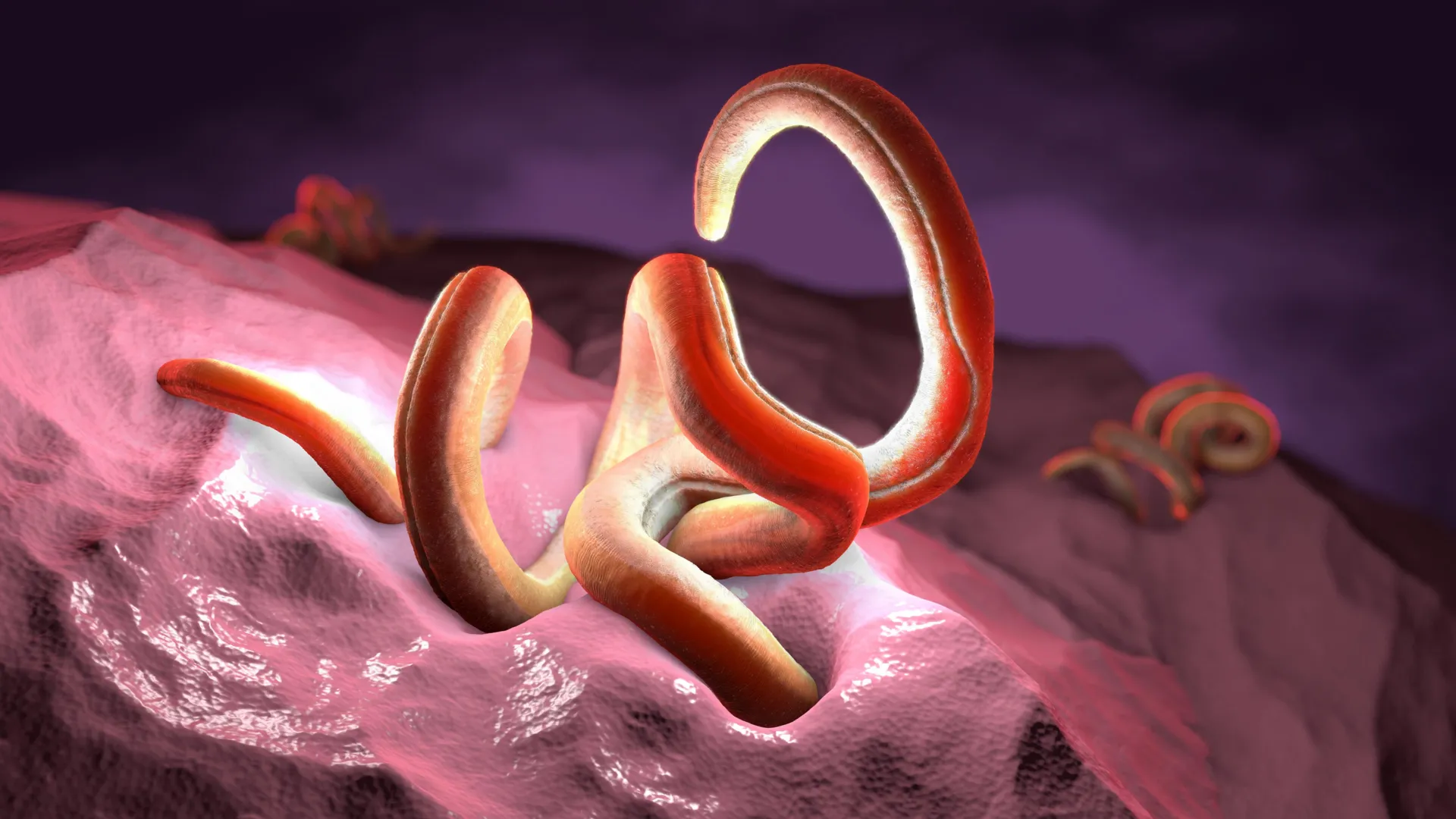
Scientists have discovered that dietary fiber plays a crucial role in determining the effectiveness of beneficial intestinal parasites. The study found that when provided with ample fiber, these worms remain healthy and actively support an anti-inflammatory response within the gut. However, a low-fiber diet causes the worms to enter a hibernation-like state, rendering them inactive and eliminating their beneficial effects. Furthermore, the research indicated that fiber-rich diets foster a healthier gut microbiome. In contrast, Western-style diets were observed to decrease microbial diversity and promote the growth of less beneficial microbes.
This research highlights the intricate relationship between diet, the gut microbiome, and the immune system's regulatory mechanisms. The findings suggest that dietary fiber is not merely a digestive aid but a critical modulator of symbiotic relationships within the gut. The study implicitly points to potential therapeutic avenues for inflammatory conditions by manipulating dietary intake to optimize the function of beneficial gut organisms. Future research could explore the specific mechanisms by which fiber influences worm activity and the broader implications for host health in the context of evolving dietary patterns and the increasing prevalence of chronic inflammatory diseases.
AI-generated to prompt reflection — not editorial opinion, not advice, not a statement of fact. How this works.