Dietary Signals During Weaning Activate Immune Pathways Promoting T Cell Development
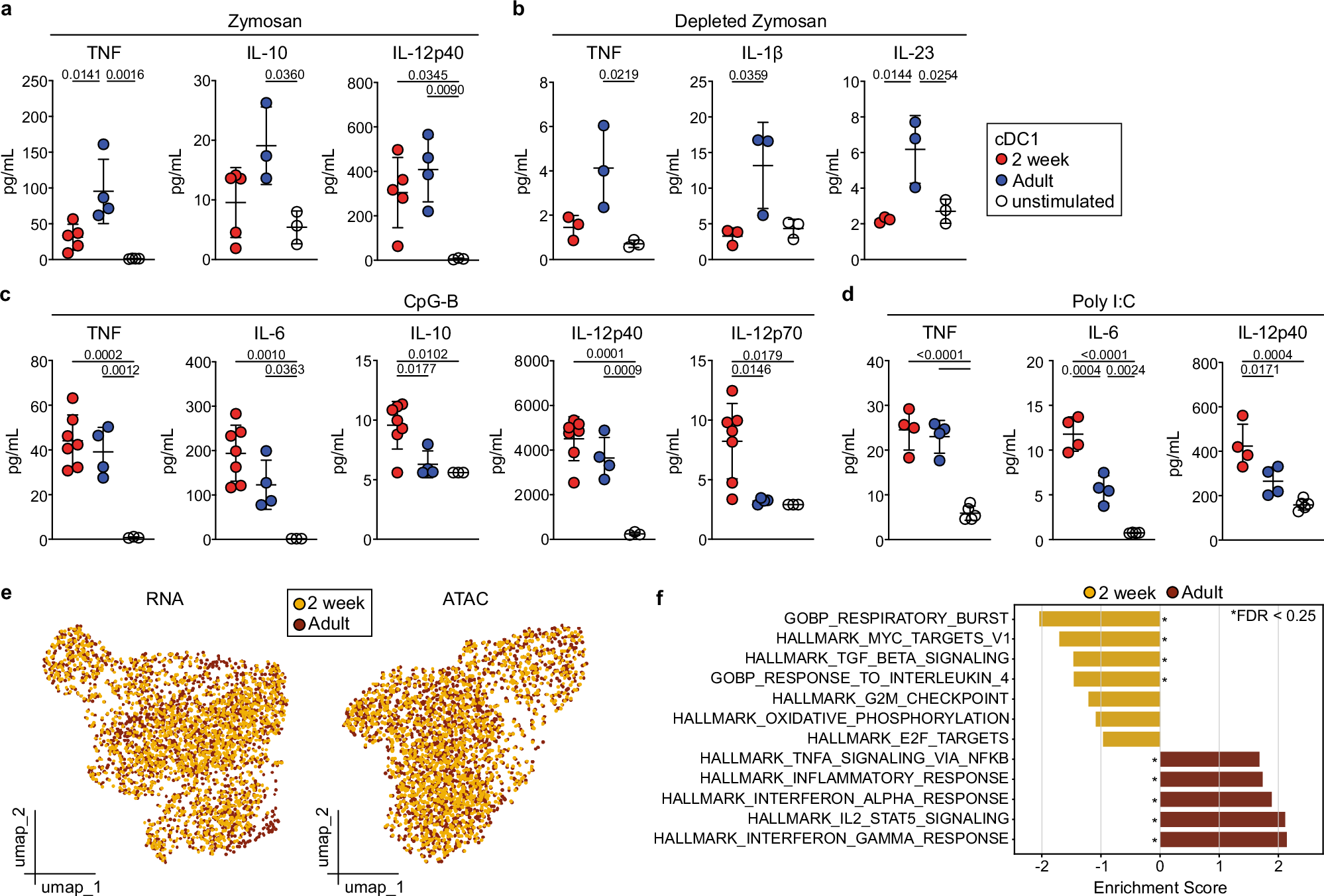
Researchers have identified a specific dietary mechanism that influences immune system development during the critical peri-weaning period. This process involves the activation of an interferon-gamma (IFNγ)-mediated regulatory circuit. This circuit is triggered by dietary factors encountered around the time of weaning. The activation of this circuit plays a crucial role in promoting the maturation of conventional dendritic cell type 1 (cDC1s). These cDC1s are essential components of the adaptive immune system. Furthermore, the activated circuit facilitates the differentiation of CD8+ T cells. CD8+ T cells, also known as cytotoxic T lymphocytes, are vital for recognizing and eliminating infected or cancerous cells. This discovery highlights the significant impact of early-life nutrition on immune programming and the development of robust cellular immunity.
This research uncovers a specific biological pathway where nutritional inputs during a sensitive developmental window directly modulate immune cell differentiation. The findings suggest that dietary components, acting via IFNγ signaling, can be leveraged to enhance the development of cDC1s and CD8+ T cells. This has potential implications for strategies aimed at improving immune resilience, particularly in early life. Understanding these diet-immune interactions could inform public health interventions and therapeutic approaches to bolster cellular immunity against pathogens and disease, considering the long-term impact of early immune programming on adult health.
AI-generated to prompt reflection — not editorial opinion, not advice, not a statement of fact. How this works.
