Digital Driver's Licenses: What You Need to Know
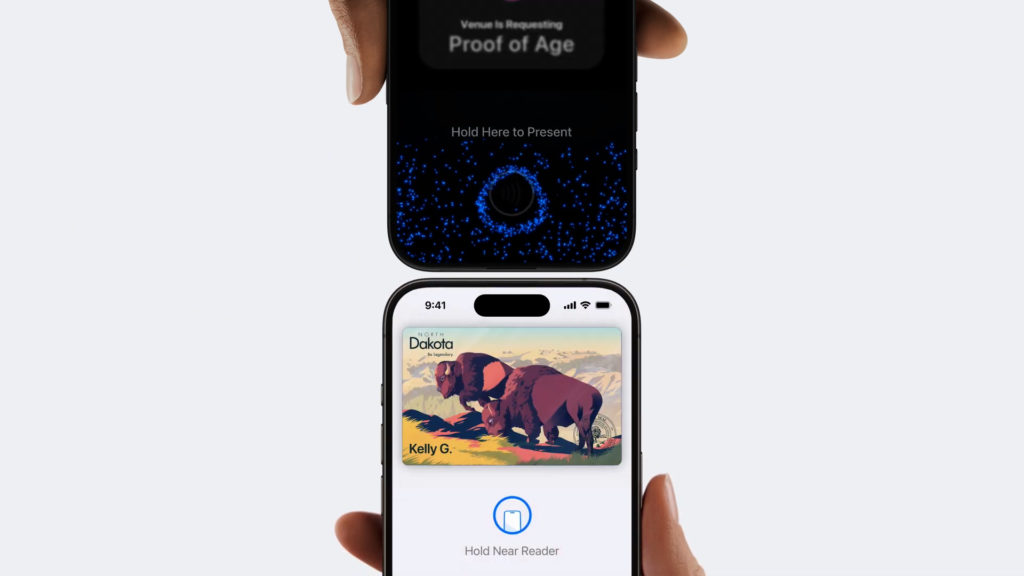
A growing number of U.S. states are adopting digital driver's licenses, also referred to as mobile driver's licenses. Currently, twenty states and Puerto Rico have introduced some form of this digital identification. This development signifies a shift towards digital solutions for official identification, potentially streamlining processes for citizens and authorities alike. The adoption rate suggests an increasing acceptance of digital credentials in various sectors. Further information is needed to understand the full implications and user experience of these digital IDs. The availability of digital driver's licenses in multiple states indicates a trend that could become more widespread across the nation.
The expansion of digital driver's licenses across twenty states and Puerto Rico reflects a broader societal trend towards digitalization and the adoption of mobile-first solutions. This shift presents opportunities for enhanced convenience and efficiency in identity verification. However, it also raises critical questions regarding data privacy, cybersecurity, and equitable access for all citizens, particularly those with limited technological literacy or access. The long-term success of these digital IDs will likely depend on robust security protocols, clear regulatory frameworks, and public trust in the management of personal information.
AI-generated to prompt reflection — not editorial opinion, not advice, not a statement of fact. How this works.