Digital Nomads Won't Solve Extreme Fire Risk in Rural Spain, Report Says
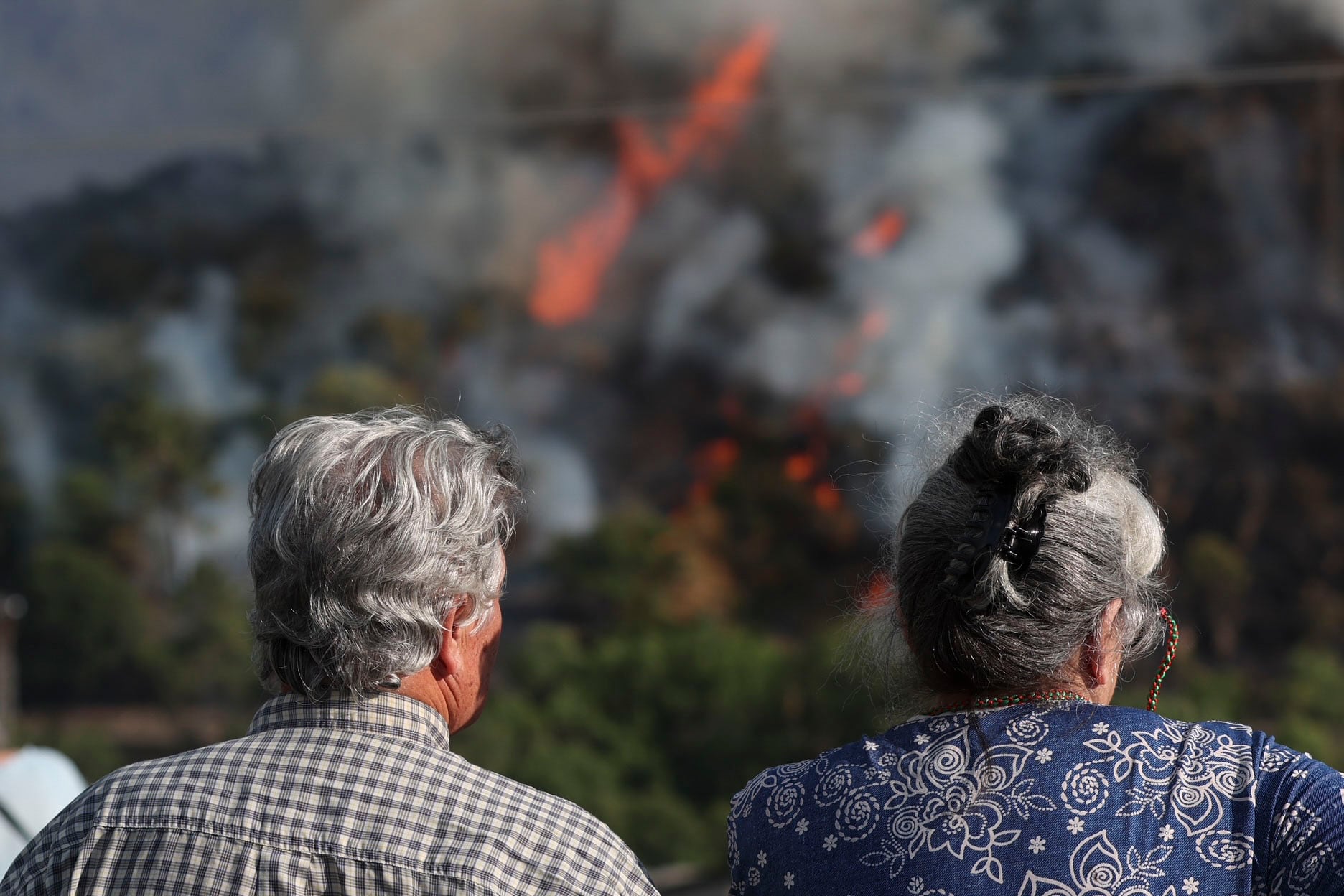
A new report highlights that the depopulation of agricultural workers is turning rural Spain's landscapes into tinderboxes, increasing the risk of extreme wildfires. The study suggests that the influx of digital nomads, often promoted as a solution to rural decline, will not adequately address the core issue of land management. The loss of traditional farming and land stewardship practices has left vast areas vulnerable to intense fires. These fires pose a significant threat to the 'España vacía,' or 'empty Spain,' a term used to describe the sparsely populated rural regions. The report emphasizes that a return to active land management and a viable agricultural economy are crucial for mitigating this escalating danger. Without sufficient population engaged in working the land, the landscape continues to accumulate fuel, making future fires more severe and harder to control. The findings challenge the effectiveness of superficial solutions and call for deeper, systemic changes to address the interconnected problems of depopulation and wildfire risk.
The report's findings underscore a critical tension between modern economic trends and traditional land management practices. While initiatives like attracting digital nomads aim to revitalize rural economies, they may not directly address the underlying issue of active land stewardship necessary for wildfire prevention. The accumulation of combustible material in sparsely populated areas, a consequence of reduced agricultural activity, creates a systemic vulnerability. Future policy interventions will likely need to balance economic diversification with robust strategies for landscape management and ecological resilience, considering the long-term impacts of climate change on fire frequency and intensity.
AI-generated to prompt reflection — not editorial opinion, not advice, not a statement of fact. How this works.