Digital ownership blurs lines: Consumers pay for licenses, not true possession
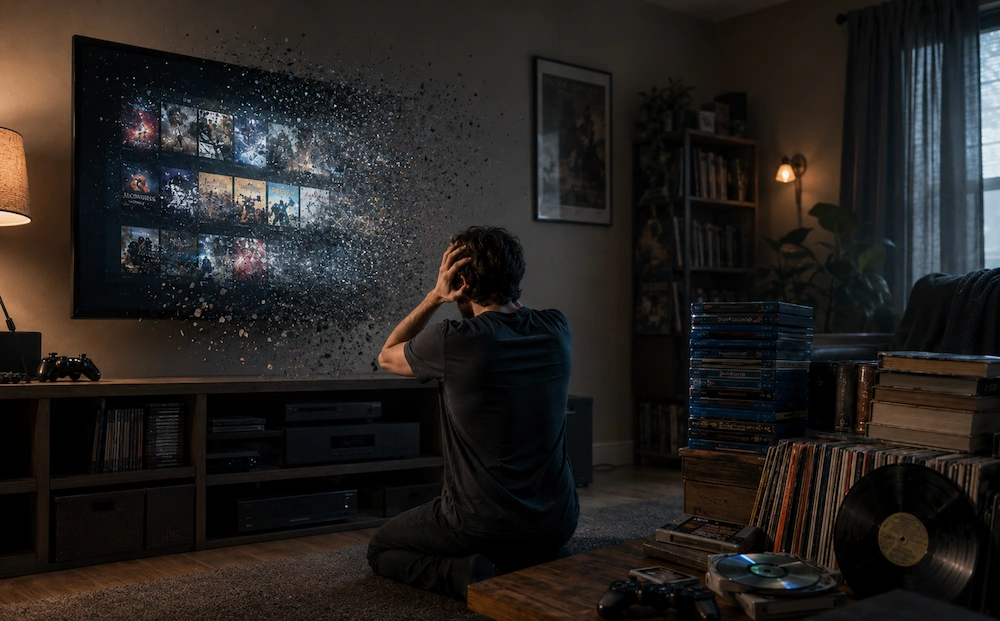
The landscape of digital content is shifting from outright ownership to temporary licenses, raising concerns among consumers. Historically, purchasing a physical book, game, or movie meant it was yours to keep, resell, or pass on. Today, digital 'ownership' often translates to a license that can be revoked, akin to content disappearing from a shelf. Cem Dervis's "The Case for Physical Media Ownership" documents this trend with real-world examples.
Recent developments highlight this shift: Sony will cease producing physical PlayStation game discs by January 2028, and Rockstar's Grand Theft Auto 6 will reportedly not have a physical release. This trend is evident across media, with books published exclusively online, games available only on digital platforms like Steam, and music primarily consumed via streaming services instead of CDs. Notably, the prices for digital and physical versions are often comparable, despite the reduced ownership rights of digital content.
Digital licenses can be revoked for various reasons, often tied to online accounts and unable to be resold or transferred. Multiplayer games can become unplayable if servers are shut down, a practice the "Stop Killing Games" initiative aims to address by advocating for the ability of players to maintain servers themselves. Furthermore, content can vanish even without a company's closure; platforms like Disney, HBO, Apple, and Amazon have removed previously 'purchased' or licensed movies, music, and games, sometimes citing licensing changes or offering refunds after public outcry. Consumers often feel misled, expecting a 'purchase' to mean true ownership, not a revocable license, especially when content disappears shortly after subscribing to a service like Netflix.
The transition from physical media to licensed digital access represents a fundamental shift in consumer-producer relationships, driven by evolving business models and technological capabilities. While digital distribution offers convenience and potential cost savings, the inherent nature of licensing introduces risks of content unavailability and loss of access, challenging traditional notions of ownership. This dynamic raises questions about consumer rights, the long-term preservation of cultural works, and the responsibilities of digital platforms. Future frameworks may need to balance the flexibility of digital access with guarantees for enduring consumer control and access to purchased content, potentially through new forms of digital rights management or archival initiatives.
AI-generated to prompt reflection — not editorial opinion, not advice, not a statement of fact. How this works.