Diners Prefer More Meat Over Lower Pho Prices
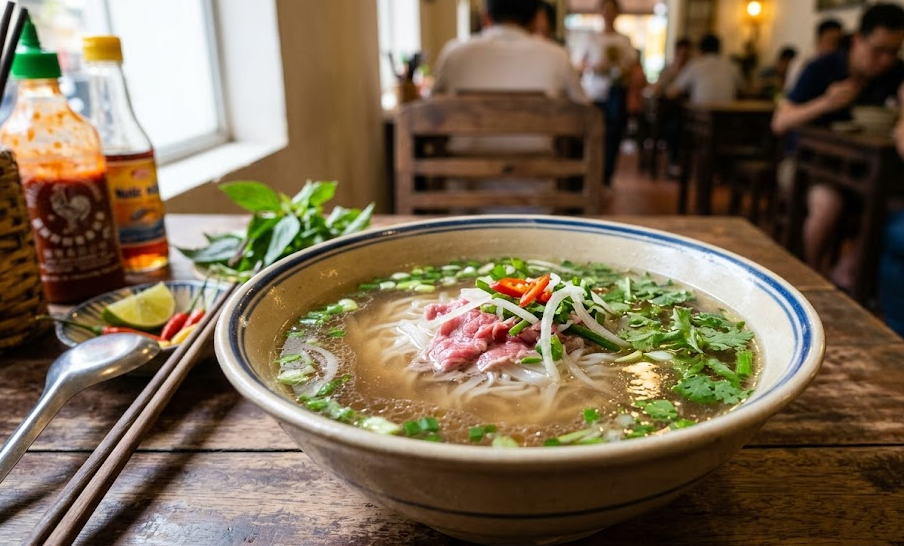
A customer expressed dissatisfaction with a bowl of pho priced at 40,000 Vietnamese Dong, not because the price increased, but because the amount of meat in the dish decreased. The customer stated a willingness to pay an extra 5,000 to 10,000 Dong if it meant receiving a more generous portion of meat, comparable to previous servings. This sentiment highlights a consumer preference for value in terms of product quantity over strict price adherence. The individual indicated that they would opt to prepare breakfast at home rather than purchase a pho bowl that has been reduced in its meat content while maintaining the original price. This preference suggests that perceived value, driven by ingredient quantity, is a significant factor in consumer satisfaction for this particular dish.
This consumer feedback illustrates a common market dynamic where perceived value is often tied to product quantity rather than just price point. Businesses face a strategic trade-off between maintaining price stability and ensuring product quality or quantity. In the current economic climate, with potential inflationary pressures on ingredients, vendors must carefully balance these factors to retain customer loyalty. Over the next decade, as AI-driven analytics become more sophisticated, businesses may leverage these tools to better predict consumer preferences and optimize their cost structures, potentially leading to more dynamic pricing models or customized product offerings that cater to varying consumer value perceptions.
AI-generated to prompt reflection — not editorial opinion, not advice, not a statement of fact. How this works.