Dinosaur Fossil Discovered in Zimbabwe Dates Back 210 Million Years
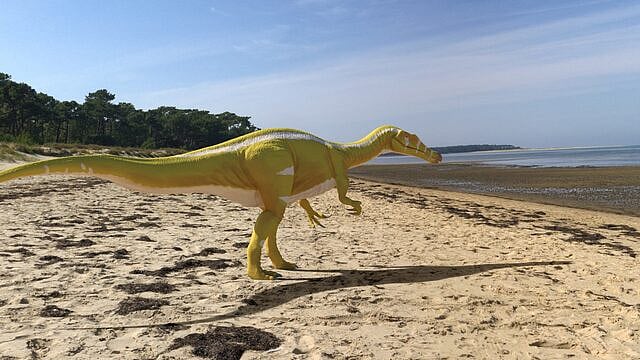
Researchers have discovered the fossilized remains of a dinosaur in Zimbabwe, with the specimen estimated to be approximately 210 million years old. The dinosaur has been named Musangosuchus matsadonensis. Preliminary findings suggest that when Musangosuchus matsadonensis died, it was around eight years old and nearing full adulthood. This discovery provides valuable insights into the prehistoric life of the region and the evolution of dinosaurs during the Triassic period. The fossil was found in the Matusadona National Park, a significant paleontological site. Further analysis of the fossil is expected to reveal more about the dinosaur's diet, behavior, and its place within the broader ecosystem of ancient southern Africa. The excavation and study were conducted by a team of international paleontologists. This finding contributes to the growing body of evidence about the diversity of dinosaur species that inhabited Earth millions of years ago.
The discovery of the Musangosuchus matsadonensis fossil in Zimbabwe offers a tangible link to Earth's deep past, providing valuable data for understanding dinosaur evolution and paleoecology. From a systemic perspective, such paleontological finds underscore the dynamic nature of life and the planet's geological history. The ongoing study of these ancient remains can inform our understanding of long-term environmental changes and the resilience of life forms. In the context of the next decade, advancements in AI and computational biology may accelerate the analysis of such fossils, potentially revealing complex evolutionary pathways and interspecies relationships previously hidden. This also highlights the importance of preserving natural heritage sites for future scientific exploration and public education, as they serve as irreplaceable archives of biological history.
AI-generated to prompt reflection — not editorial opinion, not advice, not a statement of fact. How this works.