Diocese Suspends Deacon Following MEC Dismissal Over Harassment Allegations
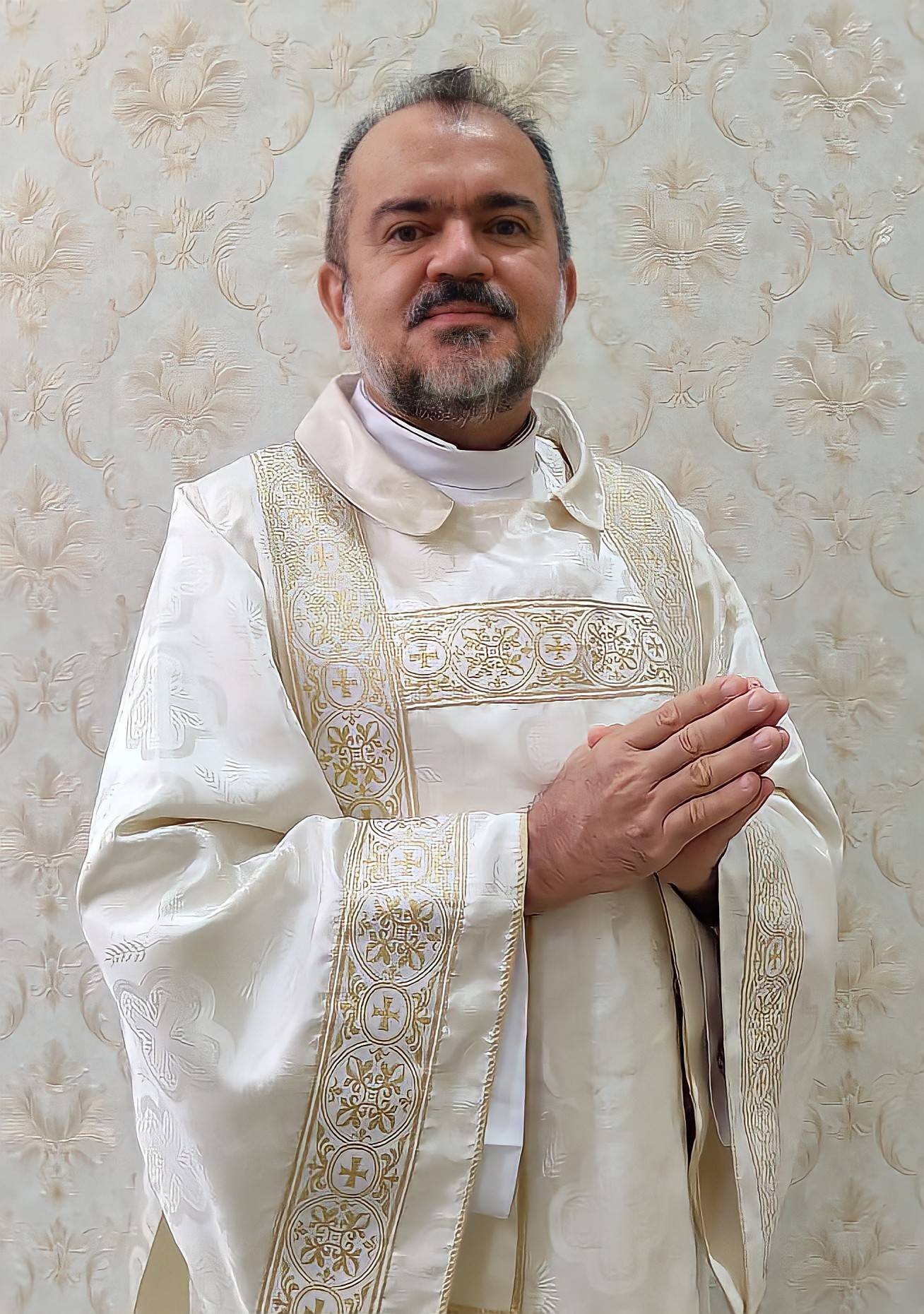
The Diocese of Campina Grande has suspended Deacon Antônio Lisboa Leitão de Souza from all church activities and ministry. This action follows the Ministry of Education's (MEC) decision to dismiss him from his position as a professor at the Federal University of Campina Grande (UFCG). The dismissal stemmed from an administrative disciplinary process that investigated allegations of sexual and moral harassment against students. The Diocese stated that the suspension is in accordance with canonical norms to allow for further investigation into the facts. Antônio Lisboa, who was ordained a deacon in 2015, had been transferred between parishes in May 2026. His defense team expressed perplexity at the MEC's decision, claiming that requests made during the administrative process were not considered. They also highlighted that he was acquitted in a criminal court case related to the same events and intends to appeal the dismissal. The MEC's decision, published in the Official Gazette, cited the misuse of his university position for acts of sexual connotation and moral harassment against students. This is not the first time Antônio Lisboa has faced such accusations; in 2017, he was involved in a sexual harassment case against two women, which resulted in a conditional suspension of the process upon fulfillment of specific legal requirements.
The dismissal of Professor Antônio Lisboa Leitão de Souza from UFCG and his subsequent suspension by the Diocese of Campina Grande highlight the complex interplay between institutional disciplinary processes and broader societal expectations regarding professional conduct, especially for individuals in positions of authority and public trust. The divergence between the administrative disciplinary outcome and the criminal court's acquittal, as cited by the defense, underscores the differing standards of proof and procedural frameworks in civil and criminal justice systems, as well as administrative proceedings. Future considerations for educational institutions and religious organizations may involve refining protocols for investigating allegations, ensuring due process for all parties, and maintaining public confidence through transparent and consistent application of policies. The case also prompts reflection on the long-term implications of such allegations on an individual's career and public standing, even when legal proceedings yield different outcomes.
AI-generated to prompt reflection — not editorial opinion, not advice, not a statement of fact. How this works.