Diplomacy Fuels Pause in US-Iran Hostilities as Pakistan Mediates
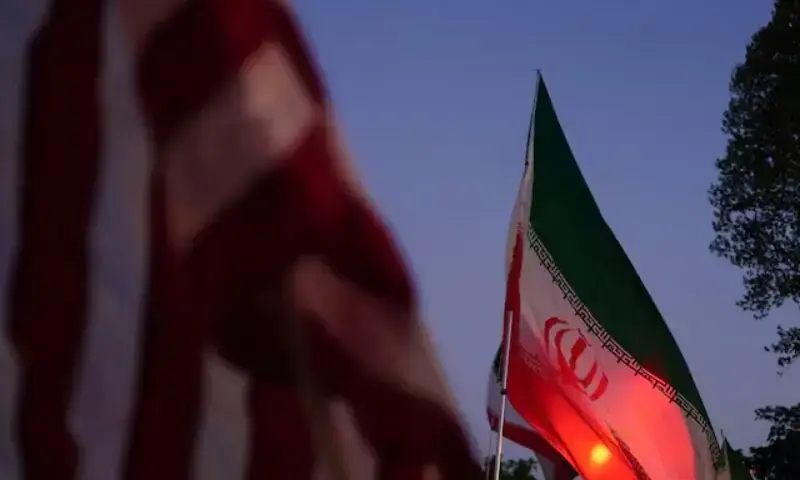
A diplomatic push, notably involving Pakistan, has facilitated a significant lull in the recent US bombing campaign against Iran, with both sides halting retaliatory attacks. Diplomatic sources in Washington indicated that Pakistan maintained crucial communication channels with Tehran, Washington, Riyadh, and Beijing throughout the escalating US airstrikes, which had continued for 13 nights before an abrupt suspension late on Friday. This engagement aimed to preserve space for diplomatic dialogue amidst heightened tensions. The Turkish Foreign Minister, Hakan Fidan, also engaged regional leaders, including Qatar's Prime Minister and Foreign Minister Mohammed bin Abdulrahman Al Thani and Pakistan's army chief, Field Marshal Asim Munir, to discuss the negotiation process between Tehran and Washington. Unconfirmed Iranian media reported damage to an oil tanker by a sea mine on Sunday. US Ambassador to the UN, Mike Waltz, suggested that President Trump paused the attacks to allow more room for talks, a sentiment echoed by American media reports. These reports cited advice from top military and civilian aides, including concerns about depleting stocks of Patriot air defense missiles and opposition from generals, as factors influencing the decision to halt the bombing. The overall commander of US forces in the Middle East, Admiral Brad Cooper, reportedly advised halting the campaign due to its limited effectiveness. Iran's army spokesman, Mohammad Akraminia, confirmed the halt in US attacks and stated that Iran had consequently ceased its retaliatory operations.
The recent cessation of hostilities between the US and Iran, facilitated by diplomatic intermediaries like Pakistan and Turkey, highlights the complex interplay of military action and diplomatic maneuvering. The reported ammunition shortages and internal advisory dissent within the US military suggest that operational constraints and strategic reassessment can significantly influence geopolitical decisions, independent of stated policy objectives. This pause, framed as an opportunity for diplomacy, underscores the inherent tension between coercive military pressure and the pursuit of negotiated settlements. Future conflict resolution will likely depend on the ability of international actors to sustain these diplomatic channels while addressing the underlying security concerns and incentive structures that drive escalation, particularly in the context of evolving regional power dynamics and potential global economic repercussions.
AI-generated to prompt reflection — not editorial opinion, not advice, not a statement of fact. How this works.