Disabled Voters in Santarém, Pará, Surge 45% to 3,862 Ahead of 2026 Elections
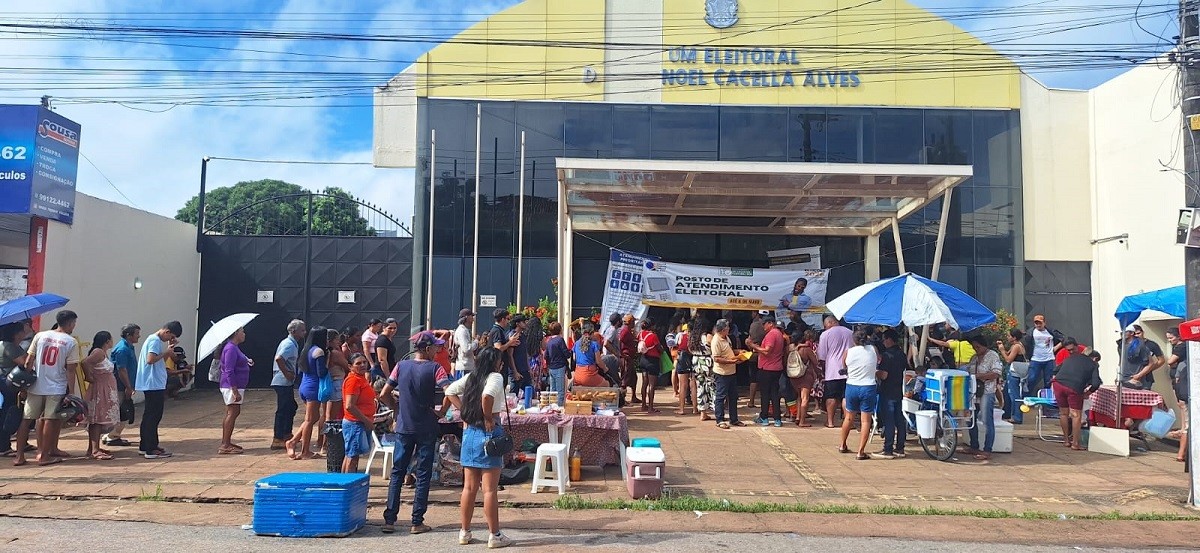
Santarém, located in the western Pará region of Brazil, is preparing for the 2026 elections with a total of 253,097 eligible voters. Notably, the number of registered voters with disabilities has reached 3,862, marking a significant increase of 44.9% since the 2022 elections, when this figure stood at 2,666. This growth represents an addition of 1,196 voters with disabilities compared to 2022. The data from the Superior Electoral Court (TSE) indicates a consistent upward trend in disabled voter registration over the years. Since 2010, when Santarém had only 305 such voters, the number has grown by over 1,160% to the current 3,862. Among the registered disabled voters, specific categories include 874 with mobility impairments, 816 with visual impairments, and 405 with hearing impairments, alongside 150 reporting difficulty in voting and 2,120 with other registered disabilities. Of these, 2,600 have mandatory voting, while 1,262 have optional voting. The electorate also shows an aging demographic, with 118 voters aged 100 or older and significant numbers in the 70-89 age brackets. The total electorate comprises 131,720 women and 121,377 men, with 239,269 voters already having registered biometric data.
The substantial increase in registered voters with disabilities in Santarém highlights evolving inclusivity within electoral processes, potentially driven by improved accessibility measures and greater civic engagement from this demographic. This trend underscores the importance of robust voter registration systems that accurately capture diverse citizen needs. As Brazil's electoral landscape continues to digitize, ensuring that technological advancements, such as biometric registration, are universally accessible to all voters, including those with disabilities, will be crucial for maintaining equitable participation. The demographic data also points to broader societal shifts, including an aging population, which electoral bodies must consider when planning logistics and support services for future elections.
AI-generated to prompt reflection — not editorial opinion, not advice, not a statement of fact. How this works.