Disasters Halt Education: Who Suffers the Most?
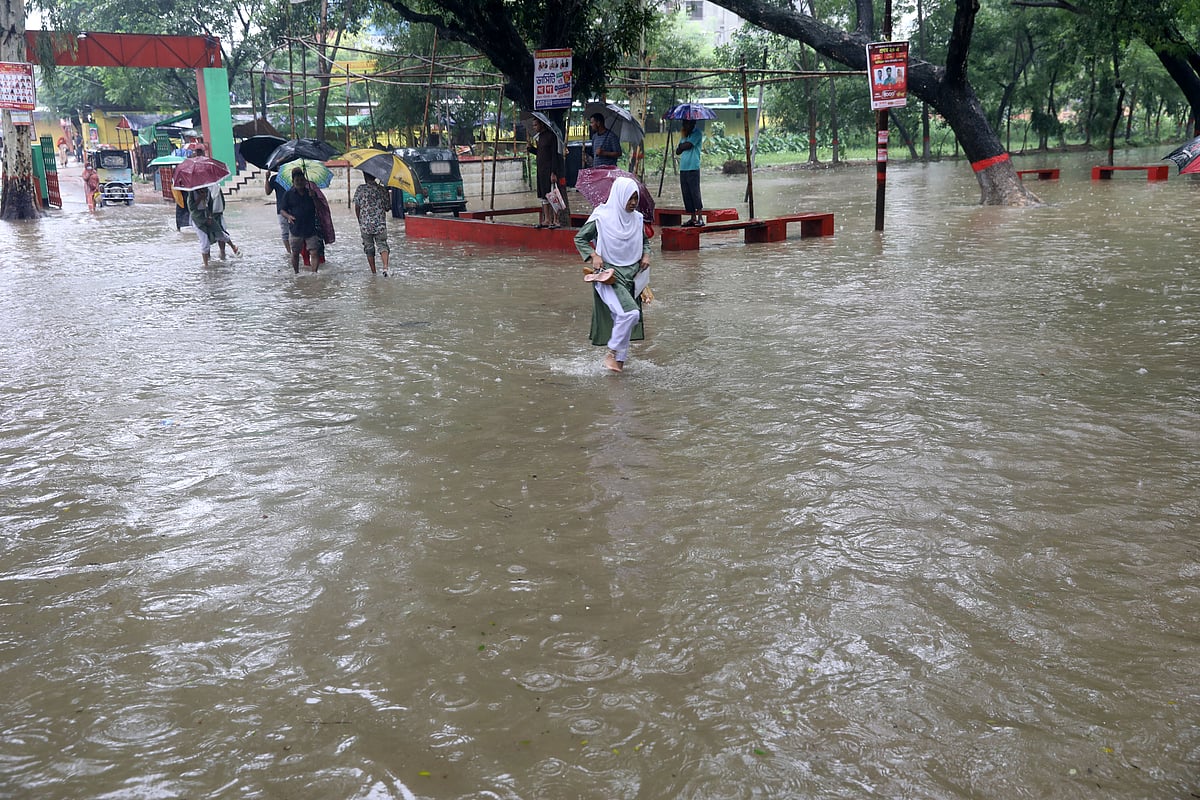
When educational systems are disrupted by disasters, students face irreparable harm. The impact on their learning and future prospects can be profound and long-lasting. This disruption affects not only individual students but also the broader societal development that relies on an educated populace. Ensuring continuity of education during and after crises is therefore crucial for individual well-being and national progress. The text highlights the significant and often irreversible damage that occurs when schooling is interrupted due to unforeseen events. It underscores the importance of resilient educational infrastructure and contingency plans to mitigate these losses. The primary concern is the student, whose academic journey and future opportunities are directly jeopardized.
The disruption of educational systems by natural disasters presents a significant challenge to human capital development. Ensuring educational continuity is paramount, as prolonged interruptions can exacerbate existing inequalities and hinder long-term economic growth. Future planning should focus on building more resilient educational infrastructure and implementing robust remote learning strategies. This approach not only addresses immediate crises but also prepares societies for the increasing frequency of climate-related events and other disruptions in the coming decade. The focus should be on systemic solutions that protect the learning trajectory of all students, particularly those in vulnerable communities.
AI-generated to prompt reflection — not editorial opinion, not advice, not a statement of fact. How this works.