Discarded Art Becomes Museum in Porto Alegre Home
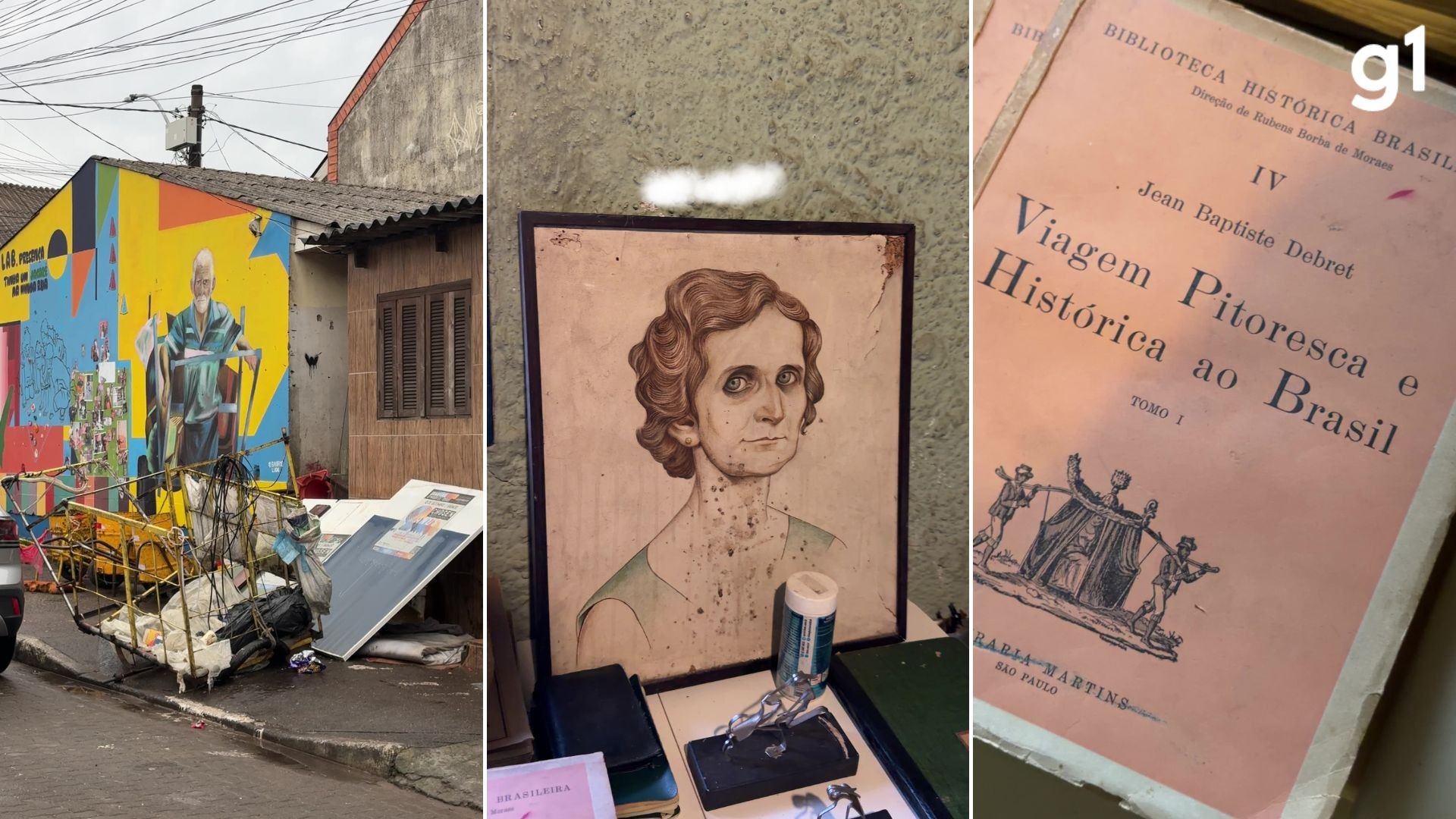
A unique museum, the Museu de Resgates, has been established in Porto Alegre, Brazil, by Jacson Carboneiro, a former recycler. Over 15 years, Carboneiro collected discarded items, including works by renowned artists like Jean-Baptiste Debret, Maria Di Gesú, and Walmor Corrêa, which he found in the trash. His collection began with a children's magazine and grew to encompass over 500 cataloged items, such as paintings, cameras, and jewelry. The museum is housed within Carboneiro's home in the Santa Terezinha neighborhood, also known as Vila dos Papeleiros, in the city's North Zone. This initiative aims to preserve history, showcase past eras, and highlight the contributions of the paper collectors (papeleiros) who reside in the area. Photographer and artist Cristiano Sant'anna encouraged Carboneiro to exhibit his findings, leading to the museum's creation in 2019. The collection includes Debret's "Viagem Pitoresca e Histórica pelo Brasil," an exclusive print by Maria Di Gesú, and a 1995 painting by Walmor Corrêa, authenticated by the artist himself. The museum also serves to question urban consumption and waste management dynamics, with Sant'anna pointing out the lack of public policy that truly includes waste handlers. Carboneiro's nine-year-old son, Wallace, is involved and hopes to expand the museum, viewing it as a vital part of the community's history. Visits are free and by appointment, arranged through the museum's social media.
This initiative highlights the significant cultural and historical value that can be salvaged from urban waste streams, challenging conventional notions of value and discard. The Museu de Resgates underscores a systemic gap in public policy regarding the integration and recognition of informal waste management workers, despite their crucial role in the city's ecological balance. By transforming found objects into a community-focused museum, the project prompts reflection on consumption patterns and the potential for resourcefulness. It also raises questions about the accessibility of art and history, demonstrating how cultural heritage can emerge from unexpected sources and be curated by individuals outside traditional institutions. The long-term sustainability and broader impact of such grassroots cultural endeavors, particularly in relation to official recognition and support, warrant further consideration as society navigates increasing waste generation and resource scarcity.
AI-generated to prompt reflection — not editorial opinion, not advice, not a statement of fact. How this works.