Discover the Great Rift: A Hidden Feature in the Milky Way
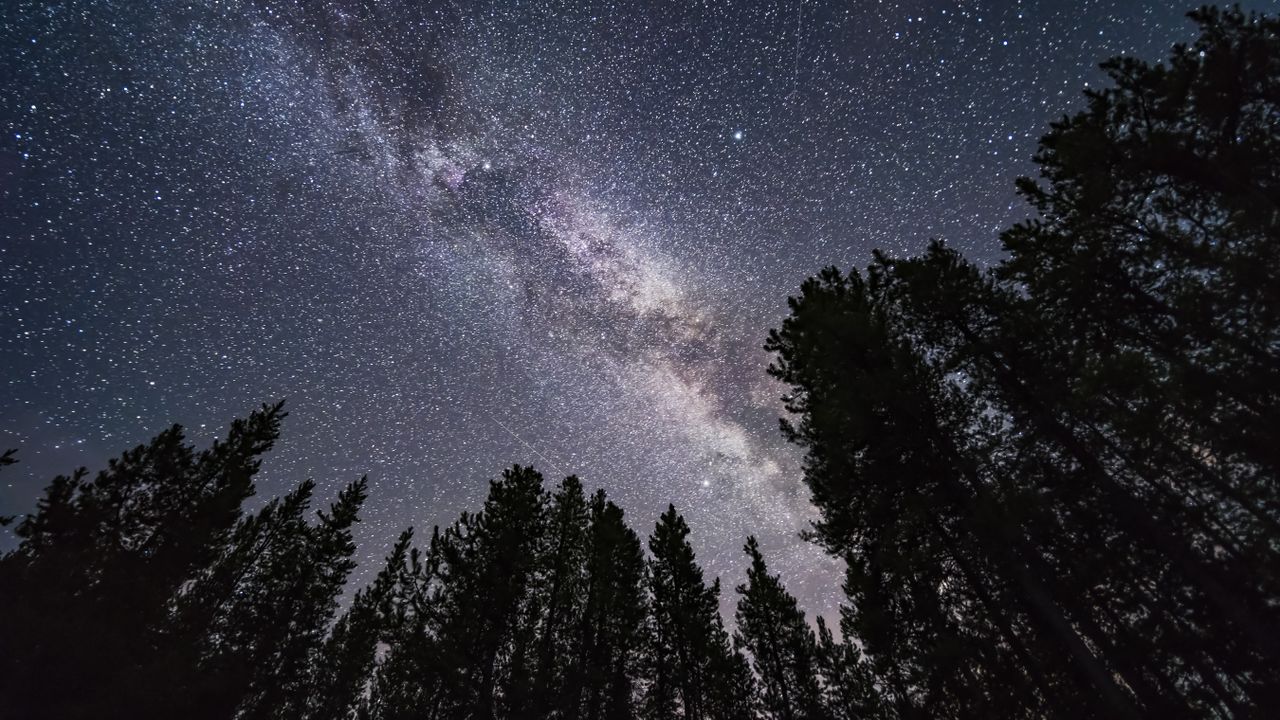
Summer offers the perfect opportunity to observe a less-noticed celestial phenomenon within our galaxy: the Great Rift. This extensive band of dark dust clouds appears to divide the Milky Way galaxy. The Great Rift stretches across a significant portion of the sky, extending from the constellation Cygnus down to Sagittarius. Its appearance is that of a dark lane bisecting the brighter band of stars that constitutes the Milky Way. This visual effect is caused by interstellar dust that obscures the light from more distant stars within our galaxy. Observing the Great Rift requires clear skies and minimal light pollution, making summer evenings an ideal time for stargazers to seek it out. Its presence highlights the complex structure of the Milky Way, revealing that it is not uniformly bright but contains obscuring elements.
The visibility of celestial features like the Great Rift is influenced by Earth's orbital position and atmospheric conditions, underscoring the dynamic nature of astronomical observation. While the Great Rift is a constant feature of the Milky Way's structure, its prominence varies, offering a periodic opportunity for public engagement with astronomy. This event serves as a reminder of the vastness and complexity of our galaxy, composed not only of stars but also of obscuring interstellar dust. Future advancements in observational technology may allow for a more detailed study of such dust clouds, potentially revealing more about galactic formation and evolution.
AI-generated to prompt reflection — not editorial opinion, not advice, not a statement of fact. How this works.