Discovering Europasaurus: Dwarf Dinosaurs of Island Europe
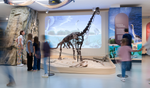
The Haus der Natur Salzburg is presenting a new special exhibition focused on the Europasaurus. This fascinating dinosaur species inhabited the islands of the ancient European sea. The exhibition aims to provide visitors with a deeper understanding of these unique creatures and their prehistoric environment. Europasaurus is notable for its small size, especially considering its relation to larger dinosaur species. Its discovery and study offer valuable insights into dinosaur evolution and adaptation in isolated island ecosystems. The museum's exhibit will explore the latest scientific findings regarding this dwarf dinosaur. Visitors can expect to learn about its diet, behavior, and the geological period during which it lived. This special exhibition highlights the biodiversity of prehistoric Europe and the ongoing process of paleontological discovery. It serves as an educational platform for all ages interested in natural history and the world of dinosaurs.
The exhibition on Europasaurus offers a window into the adaptive strategies of dinosaurs in specific environmental niches, such as island ecosystems. Studying these dwarf species provides crucial data points for understanding evolutionary divergence and the impact of geographic isolation on biological development. Such exhibits can foster public engagement with paleontology, highlighting how scientific understanding of prehistoric life evolves with new discoveries and analytical techniques. Examining the ecological pressures that might have led to dwarfism in species like Europasaurus can inform broader discussions on biodiversity conservation and the resilience of life under varying environmental conditions.
AI-generated to prompt reflection — not editorial opinion, not advice, not a statement of fact. How this works.