Disease Risk High Due to Widespread Water Contamination
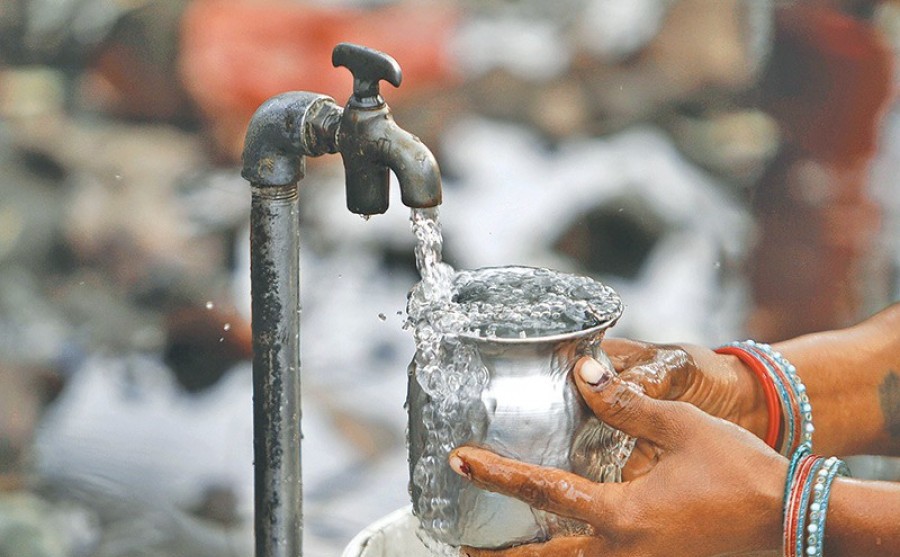
The prevalence of fecal contamination in drinking water sources across Afghanistan indicates a significant failure by the state to provide for the fundamental needs of its citizens. This widespread issue poses a severe public health risk, as contaminated water is a primary vector for numerous infectious diseases. The lack of access to safe drinking water disproportionately affects vulnerable populations, exacerbating existing health challenges within the country. Addressing this crisis requires immediate and sustained investment in water infrastructure and sanitation systems. Without these basic provisions, the health and well-being of the Afghan population remain critically compromised. The situation underscores the urgent need for effective governance and resource allocation to ensure public health and safety. This failure to meet basic needs highlights systemic challenges in service delivery and public welfare. The long-term consequences of inadequate water sanitation can include chronic illness, reduced productivity, and increased healthcare burdens.
The widespread fecal contamination of drinking water in Afghanistan points to critical infrastructure and governance deficits. This situation creates a fertile ground for waterborne diseases, posing a significant public health challenge that can impede social and economic development. Addressing this requires a multi-faceted approach, including investment in water purification, sanitation facilities, and public health education. From a systemic perspective, ensuring access to safe water is a foundational element of state responsibility and a key indicator of effective governance. Failure in this area can lead to cycles of illness and poverty, impacting the nation's future human capital. Future strategies must prioritize sustainable solutions that build resilience against such pervasive public health threats.
AI-generated to prompt reflection — not editorial opinion, not advice, not a statement of fact. How this works.