Dismantling Hall for East German Nuclear Power Plant Components Delayed
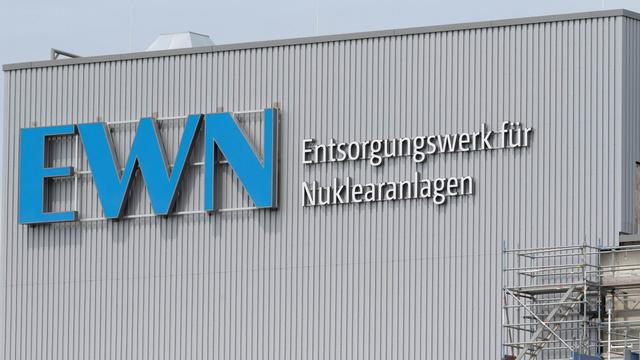
The completion of a dismantling hall intended for components from East German nuclear power plants has been postponed. The facility, crucial for the safe disposal of radioactive materials from former GDR nuclear sites, will not be ready as initially planned. This delay raises concerns about the timeline for decommissioning these legacy nuclear facilities. The hall is designed to handle the specialized and hazardous waste generated by nuclear power generation, particularly from the older Soviet-designed reactors used in East Germany. Its delayed opening could impact the overall nuclear decommissioning strategy for the country. Further details regarding the specific reasons for the delay and the revised completion date are expected to be released by the responsible authorities. The project is a significant undertaking, reflecting the ongoing challenges of managing nuclear waste from past energy policies. Ensuring the secure and environmentally sound dismantling of these power plants is a long-term commitment for Germany.
The delay in constructing the dismantling hall for East German nuclear power plant components highlights the persistent challenges in managing legacy nuclear infrastructure. This situation underscores the complex and often protracted nature of nuclear decommissioning, influenced by factors such as regulatory hurdles, technical requirements, and funding. The postponement may necessitate extended interim storage solutions for radioactive materials, potentially increasing long-term management costs and risks. From a systems perspective, such delays can strain resources allocated for nuclear safety and waste management, prompting a re-evaluation of project planning and risk assessment for future decommissioning efforts. The incident also serves as a case study for the long-term societal and environmental responsibilities associated with nuclear energy, emphasizing the need for robust, adaptable, and well-funded strategies to address the end-of-life cycle of nuclear facilities.
AI-generated to prompt reflection — not editorial opinion, not advice, not a statement of fact. How this works.
