Disney's Live-Action 'Moana' Faithfully Replicates Animation, Adding Little New
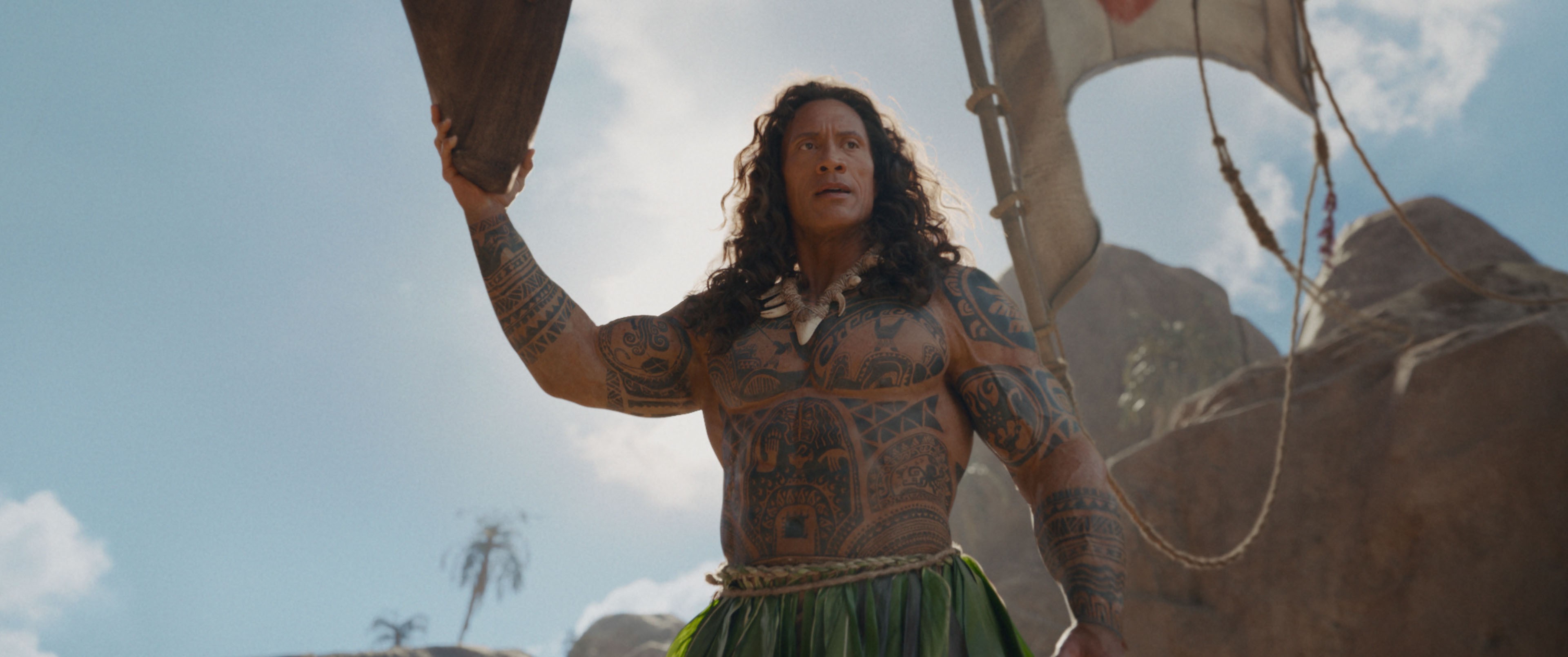
Disney's live-action adaptation of "Moana," released on Wednesday, April 8th, closely mirrors the 2016 animated film, offering a familiar experience for audiences. The film faithfully reproduces scenes and the narrative arc of the original, which may be a relief for fans but adds little substantial novelty. The core story remains intact: Moana, destined to lead her island of Motunui, must embark on a perilous ocean journey to lift a curse threatening her people's livelihood, particularly fishing and agriculture. Catherine Lagaʻaia steps into the role of Moana, portraying the determined young adventurer. The film emphasizes Moana's personal journey of self-discovery as she navigates challenges and learns about her destiny. Dwayne Johnson reprises his role as the demigod Maui, serving as Moana's mentor and travel companion. Johnson's performance brings charisma and humor to the character, making Maui more engaging than in the animated version, and he also produces the film. While Lagaʻaia captures Moana's fearless essence, her portrayal is noted as less magnetic than the original animated character. The musical numbers are preserved and continue to be a highlight. Visually, however, the live-action adaptation falters, with excessive CGI detracting from the beauty of the Polynesian landscapes and ocean scenes, making some interactions appear artificial. Minor updates are made to align with contemporary discussions on feminism and representation, such as including a female ancestor among past leaders and Maui's inclusive self-description, though these changes are subtle and do not alter the plot. Ultimately, the live-action "Moana" is a close replica of a beloved story, preserving its emotional impact and musical appeal but failing to offer significant new insights or visual enhancements.
This live-action adaptation of "Moana" appears to prioritize fidelity to the original animated film, potentially aiming to satisfy existing fans by replicating beloved elements. However, this approach raises questions about the economic and creative rationale for remaking a successful property with minimal additions, especially within a decade of its initial release. While preserving the original's narrative and themes addresses audience expectations for continuity, it may also limit opportunities for artistic innovation or deeper thematic exploration. The visual discrepancies noted suggest challenges in translating the unique aesthetic of animation to live-action, particularly with CGI-heavy sequences. Future adaptations might benefit from a more balanced strategy, integrating new perspectives or visual styles that complement, rather than merely duplicate, the source material, thereby justifying the investment and offering fresh value to audiences.
AI-generated to prompt reflection — not editorial opinion, not advice, not a statement of fact. How this works.