Displaced Kathmandu Children Face Long Commutes to School Amidst Ongoing Debate
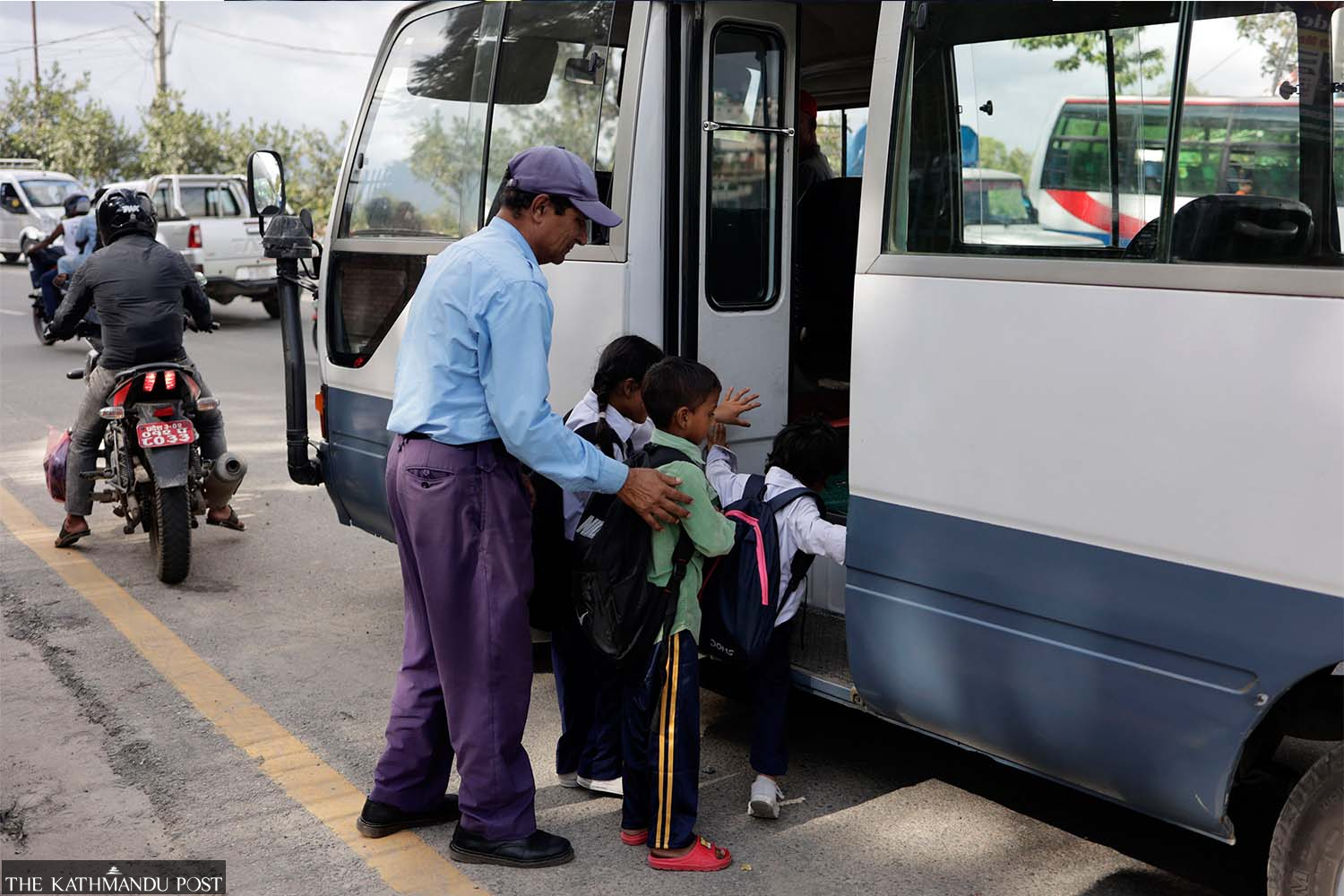
Children displaced from Kathmandu's holding centers are traveling for extended periods on government buses to attend school. This situation has ignited a discussion about the best approach to ensure their education. The core of the debate centers on whether to prioritize the continuity of schooling or the proximity of educational facilities to the children's temporary residences. The long journeys are raising questions about the overall cost and effectiveness of this educational provision. While the government is facilitating school attendance, the practical challenges faced by these children are becoming a significant concern. The current system highlights a tension between providing access to education and ensuring the well-being and manageable daily lives of the students. This ongoing discussion seeks to find a balance that best serves the educational needs and developmental requirements of the displaced children.
The provision of educational services to displaced children via government buses highlights a common challenge in humanitarian and development contexts: balancing access with logistical feasibility and student welfare. While ensuring educational continuity is a crucial objective, the extended travel times suggest potential negative impacts on student engagement, health, and overall well-being. This situation prompts an examination of resource allocation and program design, considering alternative solutions like establishing temporary learning centers closer to holding facilities or exploring more efficient transportation models. The long-term sustainability and effectiveness of such interventions depend on a holistic approach that accounts for the daily realities of the affected children, moving beyond immediate access to address the qualitative aspects of their educational experience and developmental needs within the evolving landscape of education and displacement.
AI-generated to prompt reflection — not editorial opinion, not advice, not a statement of fact. How this works.