Dispute over Palácio das Mangabeiras's historical assets as a Di Cavalcanti screen is found
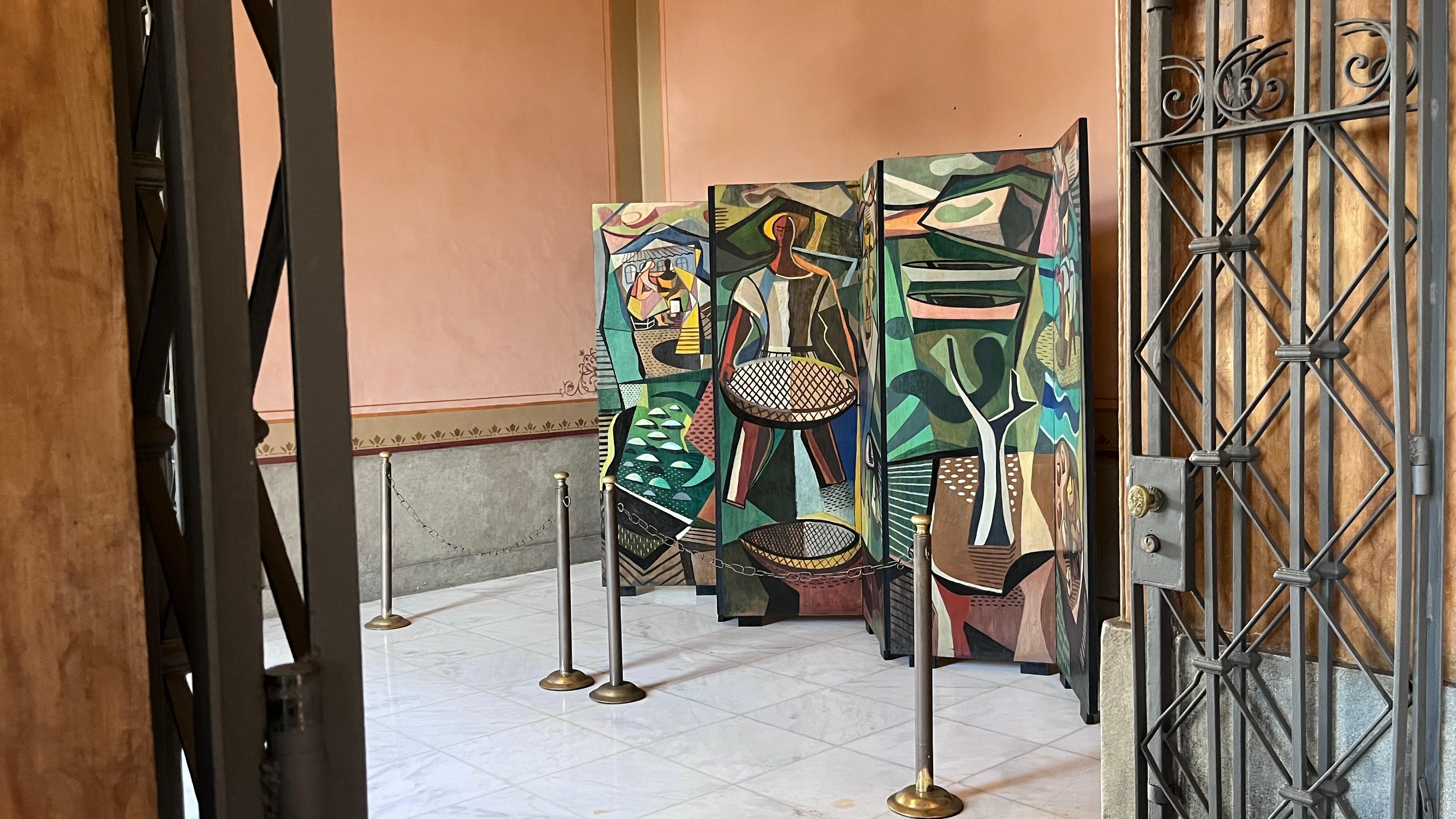
A political and administrative dispute has emerged in Minas Gerais, Brazil, concerning the historical, artistic, and furniture collection of the Palácio das Mangabeiras, the former official residence of governors. The palace is now leased to private entities for commercial events. Opposition lawmakers claim public assets were removed without adequate oversight, raising concerns about potential diversion and demanding greater transparency. Conversely, the state government asserts that all items were properly cataloged, remain protected, and were legally transferred to other public bodies.
Amidst the ongoing debate over the whereabouts and control of hundreds of pieces, a significant artwork has been located: a 1952 screen by Emiliano Di Cavalcanti, now on display at the Palácio da Liberdade. This discovery sheds light on the collection's fate, as legislators had not received a detailed inventory of redistributed assets. The screen, a six-panel oil painting depicting a mining scene, is one of at least 294 movable items whose disposition is under institutional discussion. Historical books from the palace have also been relocated to the State Public Library of Minas Gerais. A recent inspection by the Legislative Assembly's Culture Commission found minimal original furnishings remaining in the palace, prompting further scrutiny. The state company Codemge, responsible for some of the assets, has pledged to provide complete documentation by July 16th, while acknowledging the items are under its custody awaiting final destination. The government maintains that all assets were inventoried, legally transferred, and remain state property, accessible to authorized personnel and subject to control mechanisms.
The controversy surrounding the Palácio das Mangabeiras's collection highlights a recurring challenge in public asset management: the tension between operational flexibility and transparent accountability. While the state government emphasizes lawful internal transfers and secure storage, the opposition's demand for a public inventory underscores the public's right to oversee cultural heritage. The discovery of the Di Cavalcanti screen, while positive, does not resolve the systemic issue of ensuring all asset movements are easily verifiable by oversight bodies. Future governance models could benefit from blockchain-based registries for high-value public assets, creating an immutable audit trail that enhances trust and deters potential mismanagement, aligning with the increasing digitalization and transparency demands of the AI era.
AI-generated to prompt reflection — not editorial opinion, not advice, not a statement of fact. How this works.