Disruptions to key Middle East shipping lanes threaten global trade and oil supply
The closure or disruption of critical maritime chokepoints in the Middle East, including the Strait of Hormuz, the Bab el-Mandeb Strait, and the Suez Canal, poses a significant threat to global commerce and the worldwide oil supply. These routes are indispensable for the transit of vital commodities such as petroleum, fertilizers, grains, and manufactured goods. Any interruption to these passages can lead to extended travel times and increased shipping costs, impacting international trade dynamics.
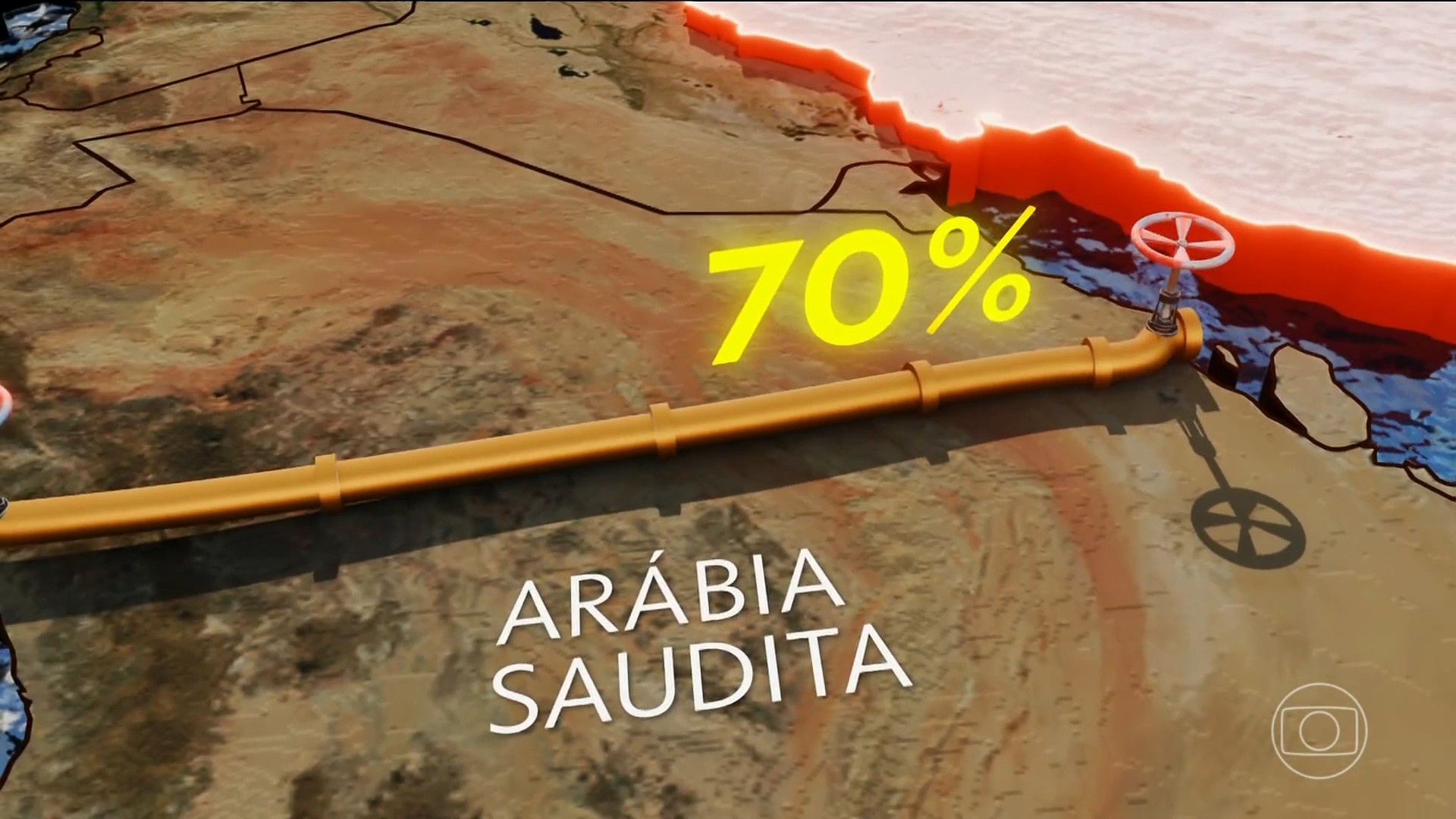
The Strait of Hormuz, situated at the entrance to the Persian Gulf, and the Bab el-Mandeb Strait, separating Yemen from the African continent and leading to the Red Sea, are crucial for oil exports. The Suez Canal in Egypt provides a strategic link between the Red Sea and the Mediterranean Sea, forming the shortest maritime corridor between Asia and Europe. Saudi Arabia, the world's second-largest oil exporter, has already taken steps to mitigate dependence on the Strait of Hormuz by rerouting approximately 70% of its exports via pipeline to the Red Sea port of Yanbu.
Economists warn that disruptions could disproportionately affect Asian economies, which rely heavily on Middle Eastern oil, with some countries depending on the region for 70% to 90% of their oil imports. Such blockades could drive up oil prices, fuel inflation, and prolong high interest rates, negatively impacting the global economy. Beyond oil, the Suez Canal and Bab el-Mandeb Strait corridor are essential for the transport of a wide array of goods between Asia and Europe. An alternative route around the Cape of Good Hope would add thousands of kilometers and up to 15 days to voyages, significantly disrupting supply chains for various sectors.
The concentration of critical global trade routes in geopolitically sensitive regions highlights systemic vulnerabilities in international logistics. While diversification efforts, like Saudi Arabia's pipeline to the Red Sea, can mitigate some risks, the sheer volume of goods transiting these chokepoints means any disruption will have cascading economic effects. Future resilience will likely depend on developing alternative infrastructure and fostering greater stability in these key transit zones. The economic interdependence created by these routes, while fostering trade, also amplifies the impact of regional instability on global markets, underscoring the need for robust contingency planning and diplomatic engagement to ensure the continued flow of essential commodities.
AI-generated to prompt reflection — not editorial opinion, not advice, not a statement of fact. How this works.