Distant War's Impact: How Middle East Conflict Affects Brazilian Pockets
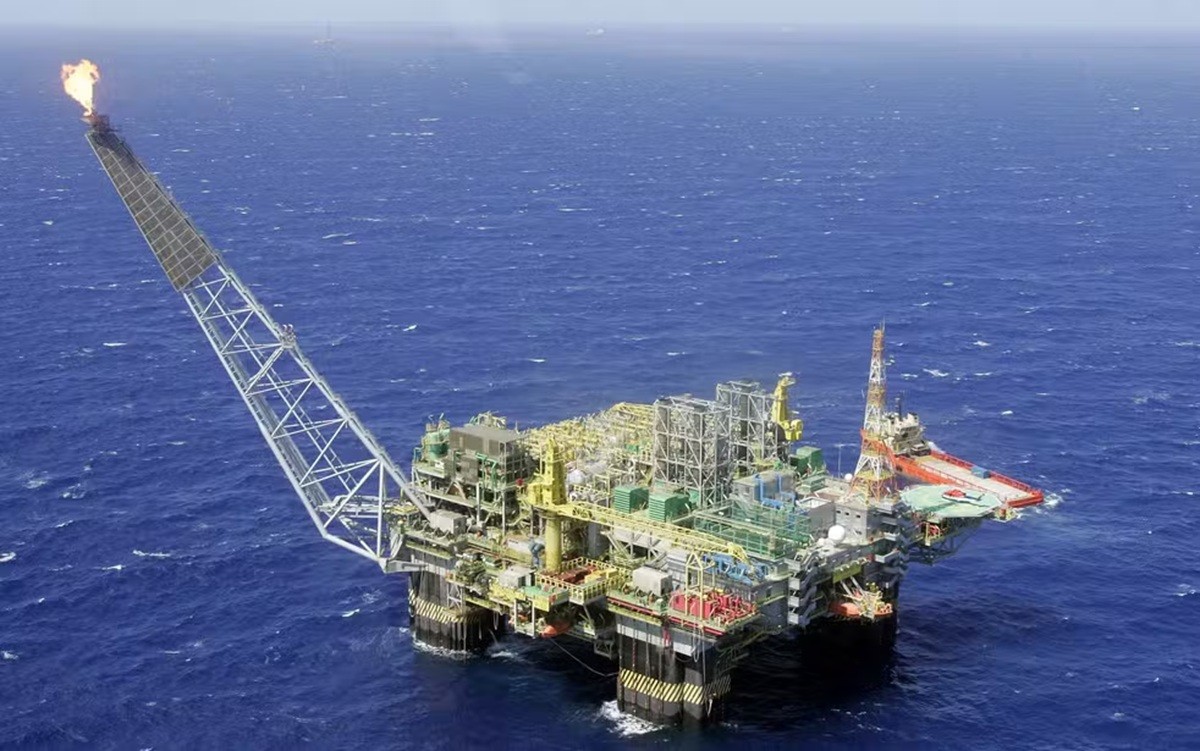
A conflict in the Middle East, despite its geographical distance, can significantly impact the finances of Brazilians due to the region's substantial oil reserves. Increased oil prices directly lead to higher costs for fuels such as gasoline and diesel. This surge in fuel expenses escalates transportation costs, a critical factor in Brazil where a vast majority of goods are moved by trucks. The ripple effect extends to the prices of food and industrial products, as well as the agricultural sector. This is because petroleum serves as a fundamental raw material for packaging, plastics, and fertilizers. Consequently, these factors contribute to inflationary pressures and can influence decisions regarding interest rates. The "g1 Explica" initiative aims to simplify complex economic, financial market, and financial education topics weekly, illustrating their direct effects on consumers' wallets.
The interconnectedness of global energy markets means that geopolitical events in oil-rich regions like the Middle East can trigger price volatility that affects economies worldwide. For Brazil, heavily reliant on road transportation and with petroleum derivatives used in various industries, this translates into inflationary pressures. Policymakers face the challenge of balancing the need to control inflation with other economic objectives. Understanding these global supply chain dynamics is crucial for anticipating and mitigating the impact of external shocks on domestic economies and household budgets.
AI-generated to prompt reflection — not editorial opinion, not advice, not a statement of fact. How this works.