Distillery owner receives back destroyed property after 9 years of rent, loss over R$400k
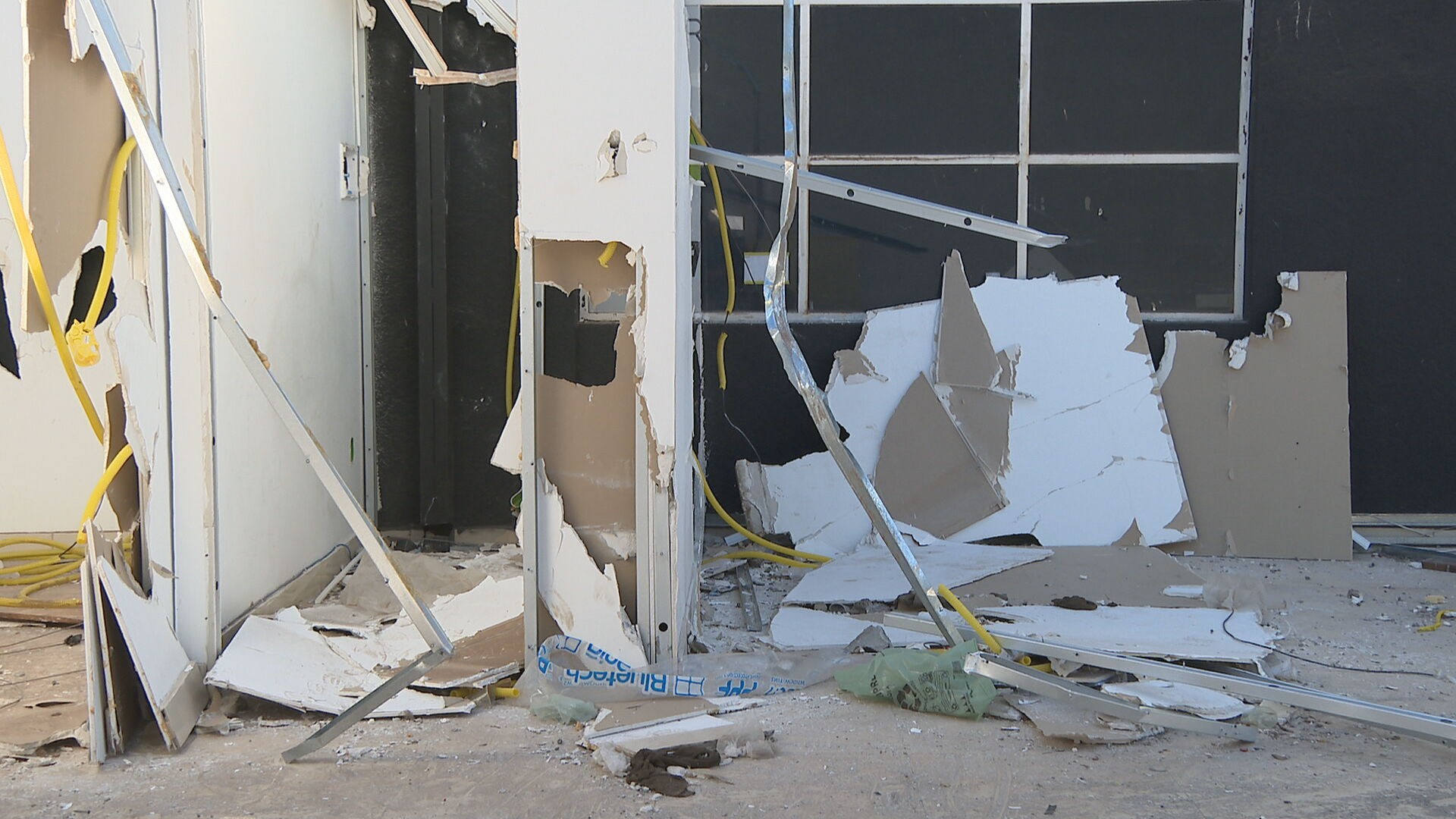
The owner of a warehouse in the Setor de Indústrias e Abastecimento (SIA) in the Federal District (DF) claims to have received his property back in a state of destruction after renting it out for nine years. The owner, José Eduardo Afonso, a public servant, stated that the warehouse, which spans 3,000 square meters and previously housed an automotive center, had its walls demolished, roof removed, and structural elements stolen. The total loss is estimated to exceed R$400,000. Afonso had requested the property's return because the tenant, identified as Roger, failed to pay the adjusted rent, which had increased from nearly R$15,000 to R$22,000. Upon reclaiming the property on Monday, May 20th, Afonso discovered the extensive damage, including missing glass from the entrance, stolen switches, outlets, air conditioning units, sinks, toilets, and structural ironwork. Roger denies responsibility for the destruction, asserting that he hired movers and suspects vandalism by others. The Civil Police are investigating the incident. According to real estate lawyer Leonardo Freitas, the tenant is typically responsible for damages to a rented property, even if a real estate agency facilitated the lease, unless the agency was complicit in the vandalism.
This incident highlights a significant breakdown in property stewardship and contractual obligations. The dispute over rent increases and subsequent alleged vandalism points to potential failures in communication and conflict resolution between landlord and tenant. From a systemic perspective, the case underscores the importance of robust lease agreements that clearly define responsibilities for maintenance, repairs, and damages, as well as dispute resolution mechanisms. The substantial financial loss incurred by the property owner suggests that current legal and enforcement frameworks may require strengthening to deter such destructive behavior and ensure timely restitution. Future considerations should include enhanced property inspection protocols and potentially insurance provisions that cover acts of vandalism, particularly in long-term commercial leases.
AI-generated to prompt reflection — not editorial opinion, not advice, not a statement of fact. How this works.