Distinguishing VAT-Exempt Electricity Consumption During Meter Readings
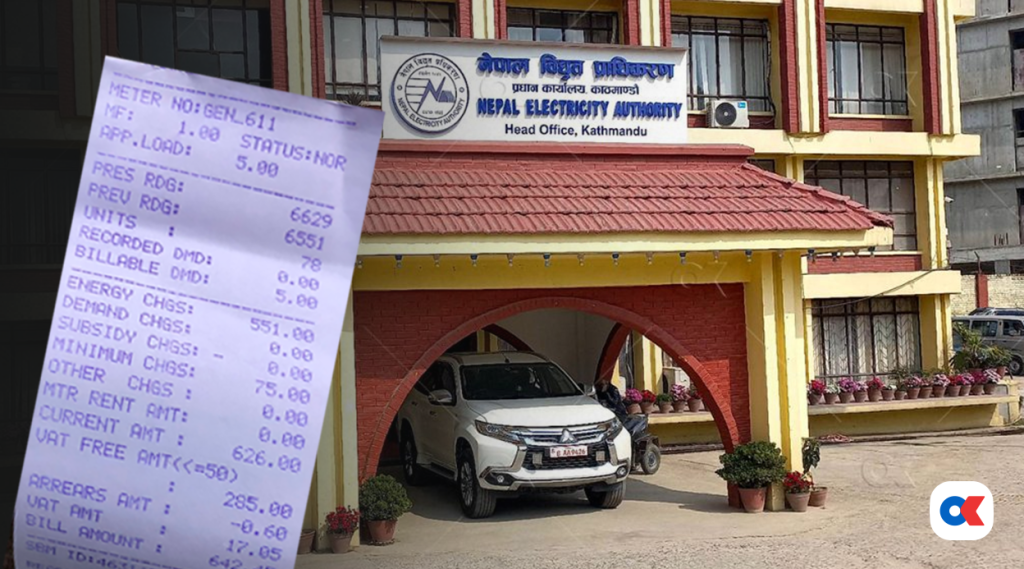
The Nepal Electricity Authority (NEA) conducts meter readings for electricity consumption in the first week of each month for the previous month's usage. This practice creates a challenge in distinguishing electricity consumption specifically during the months of Asar (mid-June to mid-July) and Saun (mid-July to mid-August). As a result, the basis for separating consumption between these two months is not immediately available. This makes it difficult for consumers and the authority to accurately identify which portion of the electricity usage is subject to Value Added Tax (VAT) and which is exempt. The NEA's billing cycle, which reads meters in the first week of the following month, means that the exact consumption figures for a specific month like Saun are not readily distinguishable from the preceding month, Asar. This lack of immediate clarity poses an issue for transparent billing and tax assessment.
The NEA's meter reading schedule, occurring in the first week of the subsequent month, creates an inherent lag in identifying monthly consumption data. This temporal disconnect complicates the accurate application of VAT regulations, particularly for periods like Asar and Saun where clear demarcation is needed. Future system design could explore real-time or more frequent data capture to ensure precise billing and tax compliance, thereby enhancing consumer trust and operational efficiency. Addressing this data granularity challenge is crucial for modernizing utility billing and aligning with evolving tax administration standards.
AI-generated to prompt reflection — not editorial opinion, not advice, not a statement of fact. How this works.