Distributed Energy: A New Lever for Corporate Control
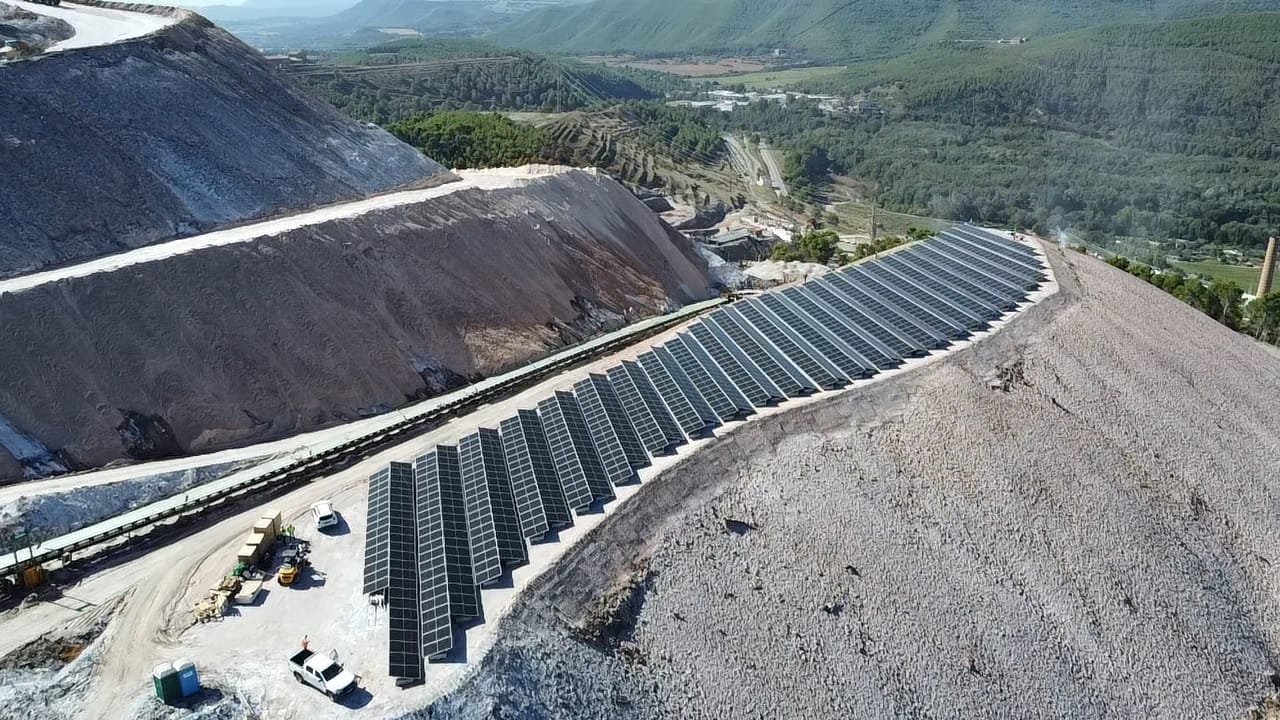
Quantica Renovables, a photovoltaic company, is promoting a self-consumption model that combines energy generation, storage, and Power Purchase Agreements (PPAs). This innovative approach aims to provide businesses with greater control over their energy supply. The company reported a turnover of 38.5 million and has 39.1 megawatts of installed capacity projected for 2025. This model allows companies to generate their own electricity, store it for later use, and secure long-term energy prices through PPAs. By integrating these three components, Quantica Renovables seeks to empower businesses to reduce their reliance on traditional energy grids and mitigate the impact of fluctuating energy costs. The focus on self-consumption and distributed generation represents a significant shift in how businesses can manage their energy needs and potentially enhance their operational resilience and cost predictability.
The rise of distributed energy resources, exemplified by Quantica Renovables' integrated self-consumption model, signifies a strategic shift in corporate energy management. This approach leverages technological advancements in generation and storage to offer businesses greater autonomy and cost control, moving beyond traditional utility-provider relationships. Such models can enhance energy security and potentially reduce operational expenses by hedging against market volatility. However, the long-term implications for grid stability and the equitable distribution of energy infrastructure costs warrant careful consideration as more entities adopt these decentralized solutions. The interplay between corporate energy independence and the broader energy system's integrity will be a critical factor in the coming decade.
AI-generated to prompt reflection — not editorial opinion, not advice, not a statement of fact. How this works.