District Assembly Criticizes Health Spending Cuts in Reform Proposal
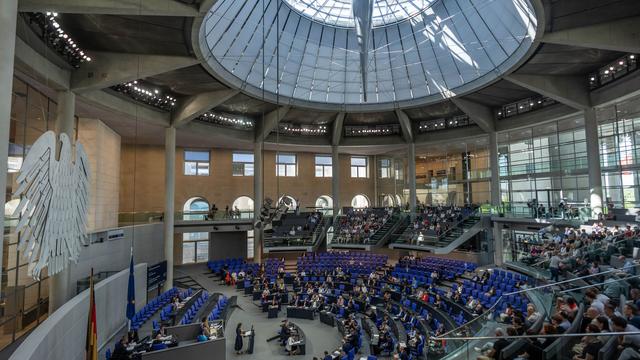
The District Assembly has voiced strong criticism regarding proposed cuts to health spending within a new reform initiative. This body, representing local administrative districts, argues that reducing financial allocations for healthcare services will have detrimental effects on public well-being. The assembly members emphasized that adequate funding is crucial for maintaining the quality and accessibility of healthcare for all citizens. They are concerned that these savings measures could lead to a decline in essential services and potentially increase the burden on individuals seeking medical attention. The District Assembly is calling for a reconsideration of these budgetary adjustments, urging policymakers to prioritize health as a fundamental right. They believe that investing in healthcare yields long-term benefits for society, outweighing the short-term financial gains from austerity measures. The assembly plans to present a detailed counter-proposal outlining alternative strategies to achieve fiscal responsibility without compromising healthcare standards.
The District Assembly's critique highlights a common tension between fiscal austerity and public service provision. The proposed health spending cuts, framed as reform, may reflect governmental efforts to balance budgets or reallocate resources. However, the assembly's perspective underscores the potential for such measures to impact essential services and citizen access, raising questions about the long-term sustainability and equity of the reform. Evaluating the reform requires considering the trade-offs between short-term financial objectives and the societal value of robust public health infrastructure, particularly in light of demographic shifts and evolving healthcare needs over the next decade.
AI-generated to prompt reflection — not editorial opinion, not advice, not a statement of fact. How this works.