Distrito Federal Governor Approves Law for Involuntary Commitment of Homeless Individuals
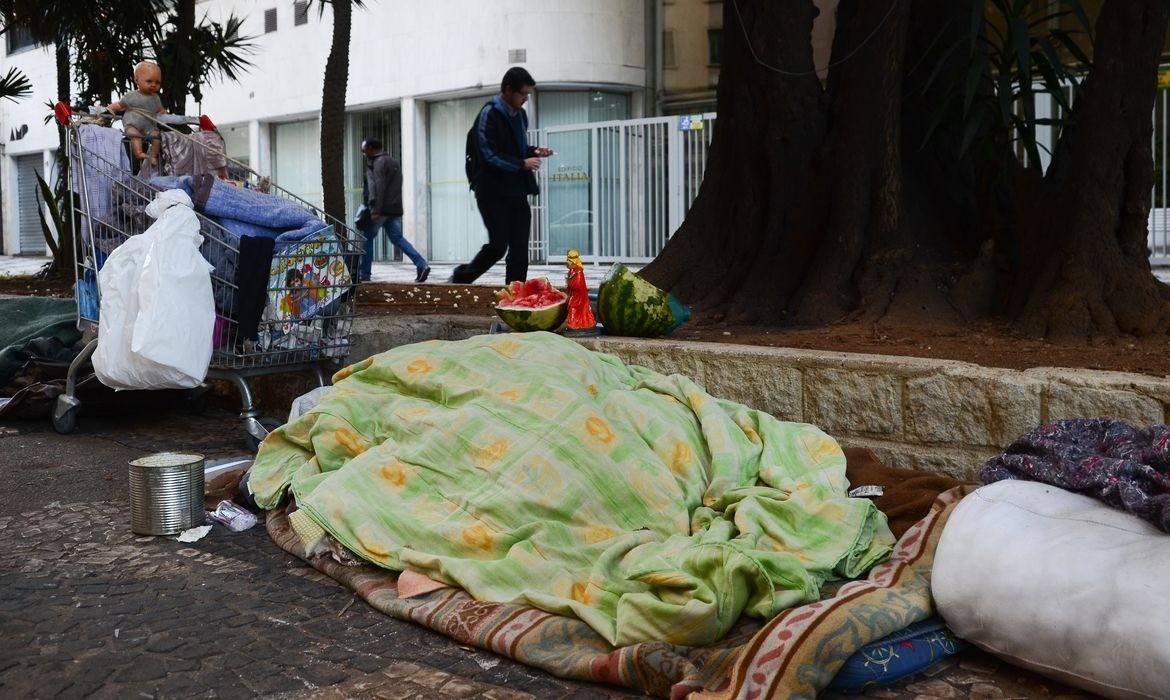
The governor of the Distrito Federal (DF), Celina Leão, has sanctioned a new law that allows for the involuntary commitment of individuals experiencing homelessness or social vulnerability. Published in an extraordinary edition of the Official Gazette on Friday, May 17th, the law is set to be regulated within 90 days. Approved by the Legislative Chamber of the Distrito Federal (CLDF) in late June, the measure has drawn criticism from specialists. The legislation aims to expand the support network and integrate services across health, social assistance, housing, public safety, education, and social development. While the law does not specify exact locations for commitment, it outlines criteria and structures for such interventions, described as "short-term." Partnerships with private entities and therapeutic communities are anticipated for these commitments, with facilities like Clínica Dia and the Centro de Convivência indicated for patient follow-up. Governor Leão stated the law establishes a "protection network with various secretariats involved" and enables "humanized involuntary commitment" to protect both the individuals and the public. Federal laws from 2001 and 2019 already permit involuntary commitment for drug users under specific conditions, but do not directly address the homeless population. Experts, including Andrea Galassi from the University of Brasília and Antônio Geraldo da Silva from the Brazilian Psychiatric Association, have raised concerns about the law's implementation and potential misuse, emphasizing that involuntary commitment should be an exceptional measure, not a public policy, and highlighting the need for structured psychiatric evaluations. Data from January 2025 indicates 3,521 people were experiencing homelessness in the DF, with health issues being a significant concern among this population.
The Distrito Federal's new law introduces involuntary commitment for individuals experiencing homelessness, framing it as a protective measure. This approach intersects with existing federal legislation on mental health and drug dependency, yet its application to the broader homeless population raises questions about public policy versus exceptional intervention. Critics highlight concerns regarding the potential for involuntary commitment to become a substitute for strengthening public health services, such as the SUS, and the need for robust psychiatric assessments. The law's reliance on private entities and therapeutic communities for implementation warrants scrutiny regarding oversight, cost-effectiveness, and alignment with principles of care. As the DF grapples with a significant homeless population facing numerous health challenges, the long-term efficacy and ethical implications of this law, particularly in ensuring genuine support and rehabilitation rather than mere containment, will be critical to monitor over the coming decade.
AI-generated to prompt reflection — not editorial opinion, not advice, not a statement of fact. How this works.