Distrito Federal Produces 63,000 Pizzas Daily; Special Offers for Pizza Day
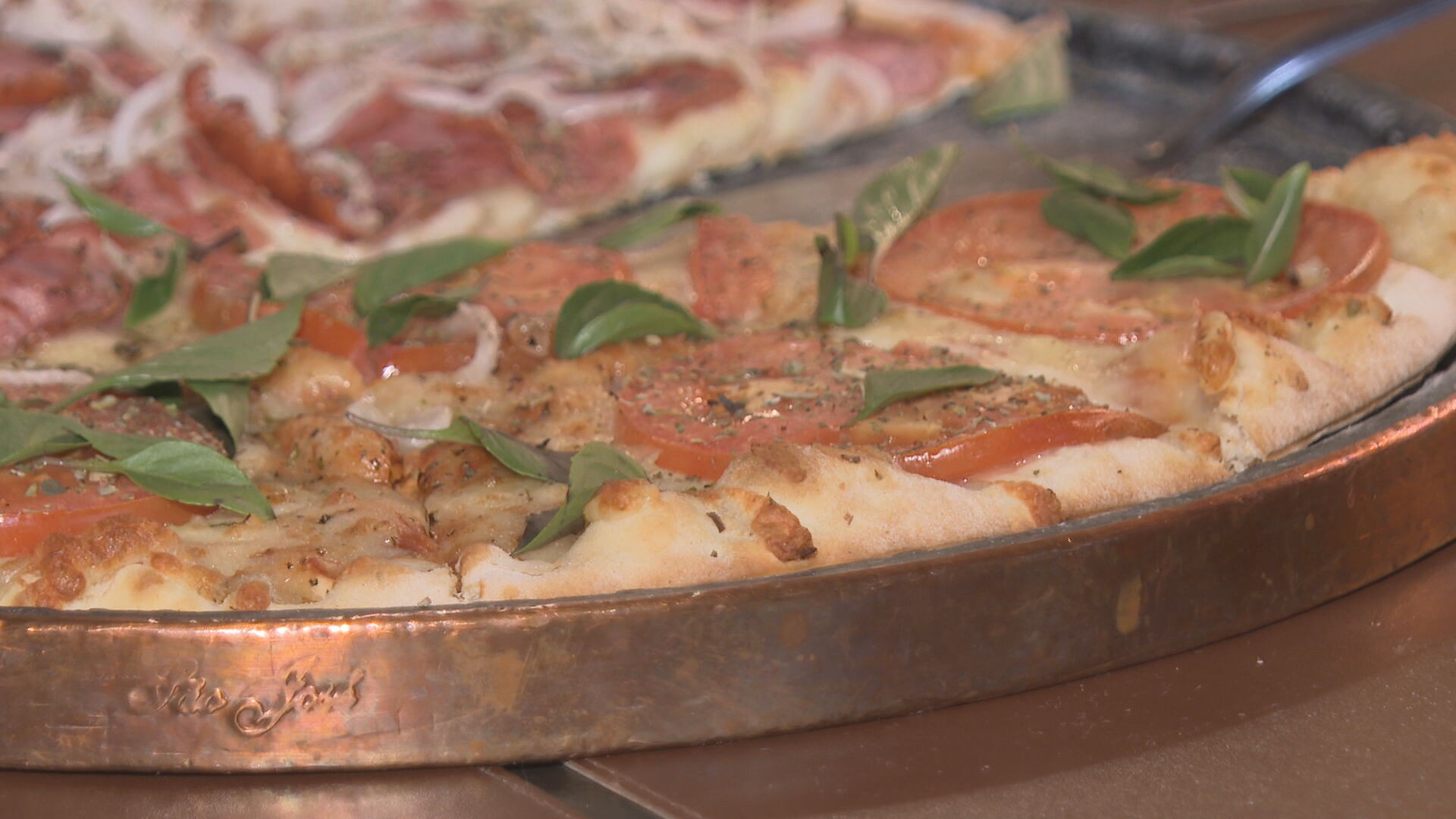
The Distrito Federal (DF) in Brazil produces an estimated 63,000 pizzas per day, totaling 1.8 million pizzas monthly, according to the Brazilian Pizza United Association (Apubra). This high volume reflects the region's strong appreciation for pizza, with 911 dedicated pizzerias operating in the capital. When considering restaurants that also offer pizza, this number increases to approximately 2,000 establishments. July 10th, celebrated as National Pizza Day, originated from a 1985 contest in São Paulo to find the best Margherita and mozzarella recipes. Several DF establishments are offering special promotions to commemorate the day. Los Santos Pizza & Pão has selected four popular pizzas for a promotion starting at R$72.40. Don Romano is offering its popular Calabresa and Margherita pizzas from R$75. Dom Bosco's traditional large mozzarella pizza is available for R$55 on July 10th and 11th. Pizza Cesar has a special combo deal including a large pizza and soda, plus a free small pizza. Alfredo's Pizzaria is selling slices for R$4 and whole pizzas for R$49.90. The origins of pizza trace back to 17th-century Naples, Italy, with the Margherita pizza, created by chef Raffaele Esposito, being a tribute to Queen Margherita of Savoy and inspired by the Italian flag's colors. Brazilian pizza has evolved with unique characteristics like stuffed crusts and diverse toppings.
The widespread celebration of National Pizza Day and the significant daily production of pizzas in the Distrito Federal highlight the deep cultural integration of this Italian dish into Brazilian society. The event underscores how culinary traditions can be adapted and localized, fostering unique national variations and a robust local economy centered around food services. The proliferation of pizzerias and the organized efforts by industry associations like Apubra demonstrate effective market segmentation and consumer engagement strategies. Examining this phenomenon through a future-oriented lens, the continued success of such specialized food industries will likely depend on their ability to innovate while maintaining authenticity, potentially leveraging technology for personalized offerings and sustainable sourcing to meet evolving consumer demands in the coming decade.
AI-generated to prompt reflection — not editorial opinion, not advice, not a statement of fact. How this works.