Distrito Federal Sets Criteria for Involuntary Homeless Shelter Admissions
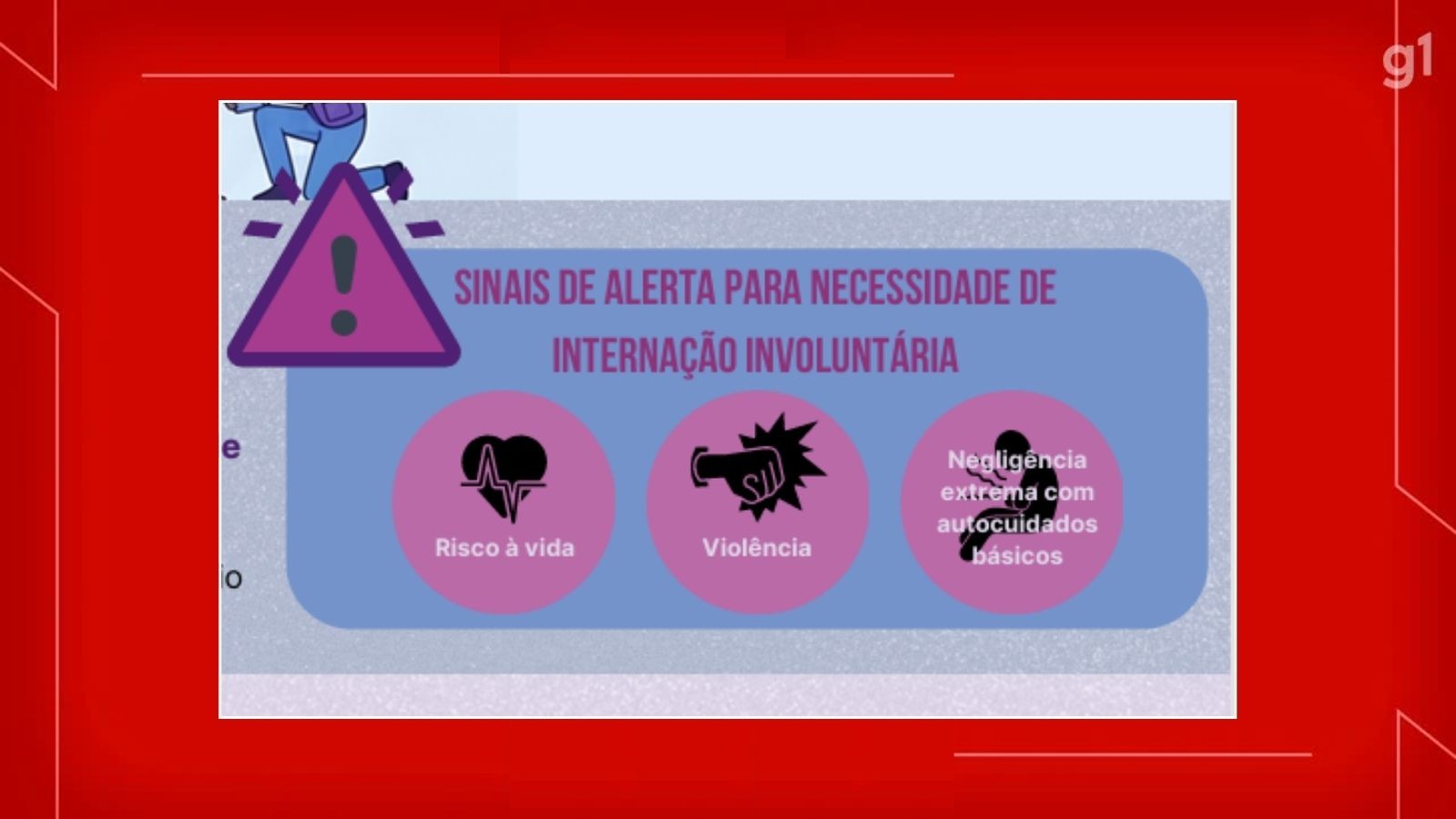
The government of Distrito Federal (DF) in Brazil has established criteria for the involuntary hospitalization of homeless individuals, citing risks to life, violence, and extreme neglect of basic self-care as key indicators. This framework was released on Monday, May 20th, following the recent enactment of a law authorizing such measures. The law stipulates that involuntary hospitalization is a last resort, applicable only in cases of imminent life risk, for a maximum of 90 days, and requires notification to the Public Prosecutor's Office within 72 hours. The Ministry of Public Prosecutor of DF has expressed concerns about the "precariousness" of the support network for the homeless population, even as the new guidelines are being introduced. Governor Celina Leão stated that nearly 500 locations with high concentrations of homeless people have been identified, with 247 sites monitored, 44 individuals accepting voluntary treatment, and 22 expressing interest in returning to their home states. The proposed care model involves a four-stage process: pre-screening through street outreach prioritizing voluntary treatment, screening by a specialized team to confirm the need for involuntary measures, intervention and removal to emergency care units or hospitals if necessary, and a final medical decision at a psychiatric emergency unit regarding discharge or continued hospitalization up to 90 days. Critics, including prosecutor André Alisson Leal, argue the law lacks sufficient debate and was passed without consulting social movements and the Public Defender's Office, emphasizing that public health system deficiencies should not justify involuntary commitment. The Secretariat of Social Development stated the law will be regulated within 90 days by a working group to define implementation guidelines and strengthen the service network. Experts like Andrea Gallassi from the University of Brasília suggest the government should focus on policies that empower individuals to regain independence rather than simply relocating them.
The introduction of involuntary hospitalization criteria for the homeless population in Distrito Federal reflects a complex societal challenge, balancing public safety and individual rights. While framed as a measure for imminent risk, the policy's effectiveness and ethical implications are debated, particularly concerning the adequacy of existing public health and social support systems. The process highlights a tension between state intervention and the provision of robust voluntary services. Future policy development should consider the long-term sustainability of support structures and the potential for unintended consequences, ensuring that such measures do not inadvertently exacerbate vulnerabilities or become a substitute for comprehensive social reintegration programs. The focus on involuntary commitment may divert resources and attention from addressing the root causes of homelessness and improving the accessibility and quality of voluntary care options.
AI-generated to prompt reflection — not editorial opinion, not advice, not a statement of fact. How this works.