Diver Captures Hidden Underwater World of Palmas Lake
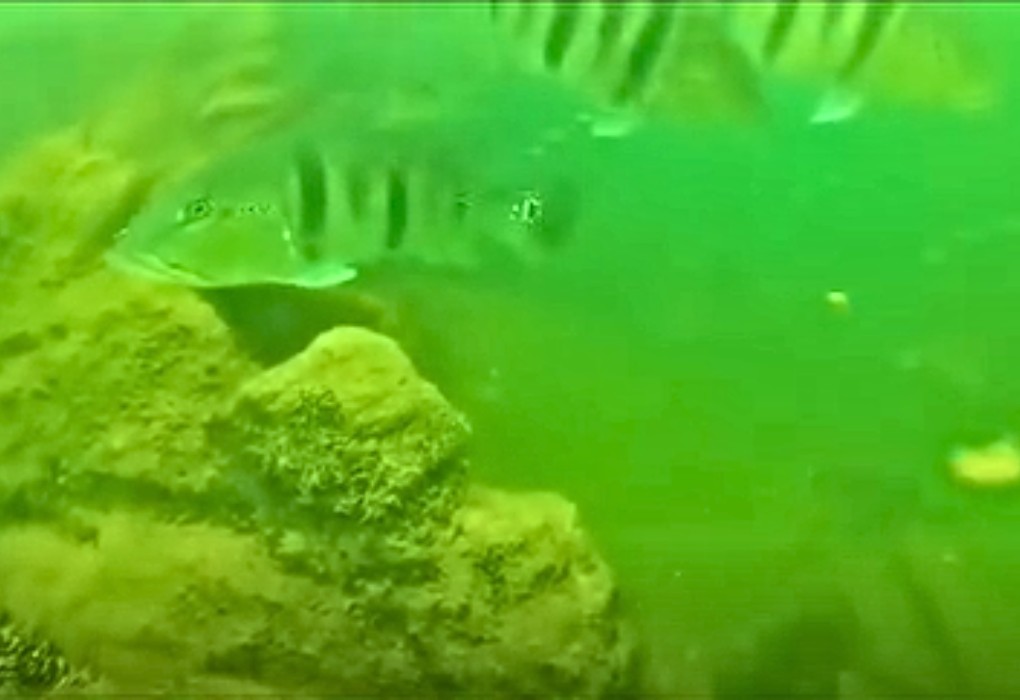
Leonardo Costa, a 47-year-old diver and businessman, has gained social media attention for his videos showcasing the hidden underwater life of Palmas Lake in Tocantins, Brazil. Costa, who has lived in Tocantins for 26 years, dives to depths of 12 to 20 meters to capture footage of native fish species, aquatic vegetation, and rock formations. His recent video was recorded on Tuesday, March 21st. Costa's hobby combines diving and fishing techniques, and he uses his platform to share preservation tips and educate viewers about the local ecosystem. He explains the behavior of fish, noting they move closer to the shores during the rainy season and retreat to the depths when the water is clearer during the dry season. Costa emphasizes the importance of respecting local fishing quotas to ensure sustainability. He also highlighted the significant tourism and sporting potential of Palmas Lake for diving and other water sports, describing it as a paradise. The diver finds the sport offers a unique connection with nature, allowing him to capture images inaccessible to most. Palmas Lake is a reservoir formed by the Luís Eduardo Magalhães Hydroelectric Power Plant, covering approximately 630 square kilometers across seven municipalities. In the capital city of Palmas, the reservoir creates several popular beaches, including Praia da Graciosa.
The footage from Leonardo Costa offers a valuable glimpse into the ecological richness of Palmas Lake, a man-made reservoir. By documenting the aquatic environment and fish populations, Costa's work implicitly highlights the biodiversity sustained by such large-scale water infrastructure. This visual record can serve as a baseline for future environmental monitoring, potentially informing sustainable management practices for both the ecosystem and recreational activities like sport fishing. The public sharing of these insights also fosters a sense of stewardship, encouraging adherence to conservation measures and quotas, which are critical for maintaining the health of aquatic resources in the face of increasing human interaction and potential climate impacts over the next decade.
AI-generated to prompt reflection — not editorial opinion, not advice, not a statement of fact. How this works.