Divinópolis City Hall Demands End to Pension Reform Strike After Council Approval
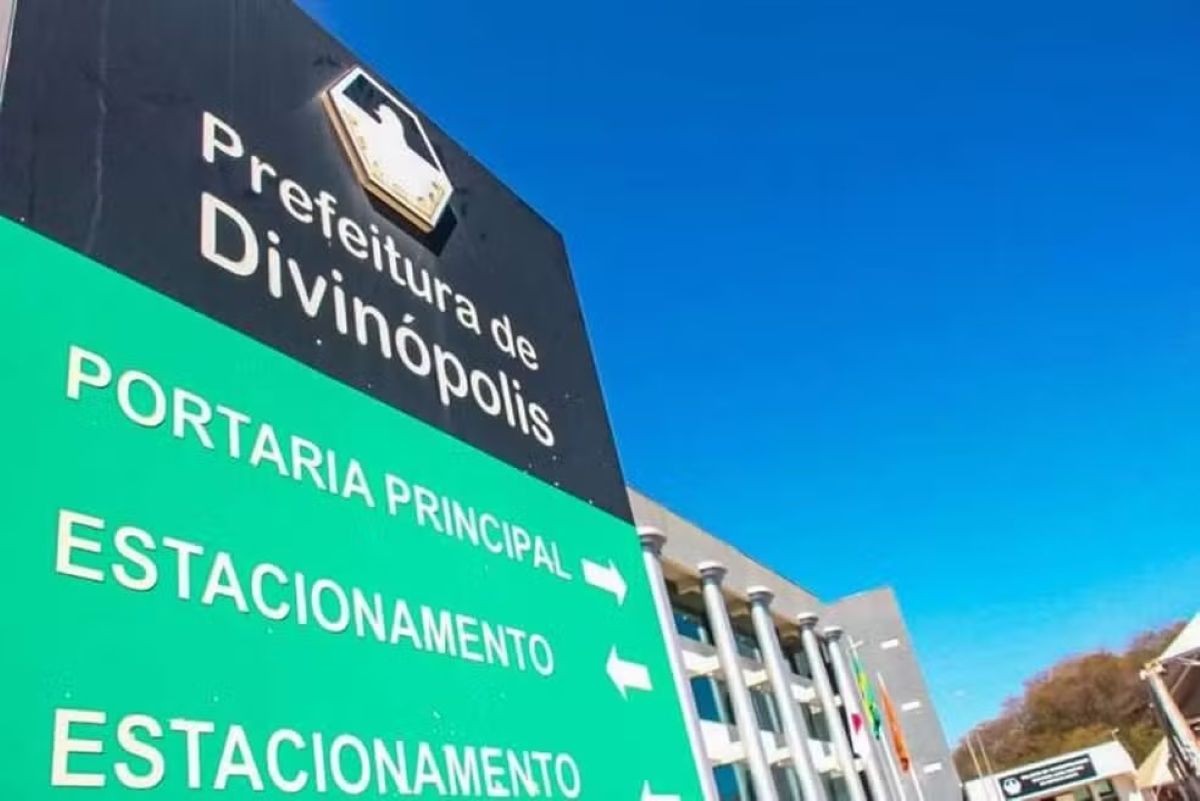
Divinópolis City Hall has officially notified municipal employee unions to end their strike within 24 hours, following the City Council's approval of reforms to the Divinópolis Civil Servants' Pension Institute (Diviprev). The city administration stated that continuing the work stoppage constitutes a misuse of purpose and could lead to legal action seeking its declaration of illegality. Mayor Janete Aparecida confirmed that some employees have returned to work, but sectors like education remain on strike, with classes suspended. The president of the Municipal Workers' Union of Divinópolis (Sintram), Marco Aurélio Gomes, acknowledged receiving the notification but asserted the strike would continue pending a new assembly. The president of the Union of Education Workers of Divinópolis (Sintend), Rodrigo Rodrigues, stated he had not yet seen the notification but would discuss it with the union's legal department. The approved complementary bill restructures the municipal civil servants' Social Security System (RPPS), altering retirement, pension, and transition rules to comply with Federal Constitutional Amendment 103 and reduce Diviprev's deficit. The city claims to have incorporated 16 of 27 union demands, including more favorable transition rules for those nearing retirement. However, union lawyers argue that only technical adjustments were accepted, leaving core issues impacting employees' rights unaddressed and criticizing the administration's lack of genuine dialogue.
The Divinópolis pension reform's passage and the subsequent notification to end the strike highlight a common tension between municipal fiscal sustainability goals and public employee welfare. The city administration's approach, framed as necessary compliance with federal mandates and deficit reduction, contrasts with the unions' perception of unaddressed core concerns. This situation underscores the challenge of balancing long-term financial health with the immediate impact on workers' livelihoods and benefits. Future governance models may need to incorporate more robust, transparent, and collaborative negotiation frameworks, especially when reforms significantly alter established employee rights and financial security, to mitigate such conflicts and foster greater trust between public sector employers and their workforce.
AI-generated to prompt reflection — not editorial opinion, not advice, not a statement of fact. How this works.