Divinópolis Electorate Growth Outpaces Population Rise Ahead of 2026 Elections
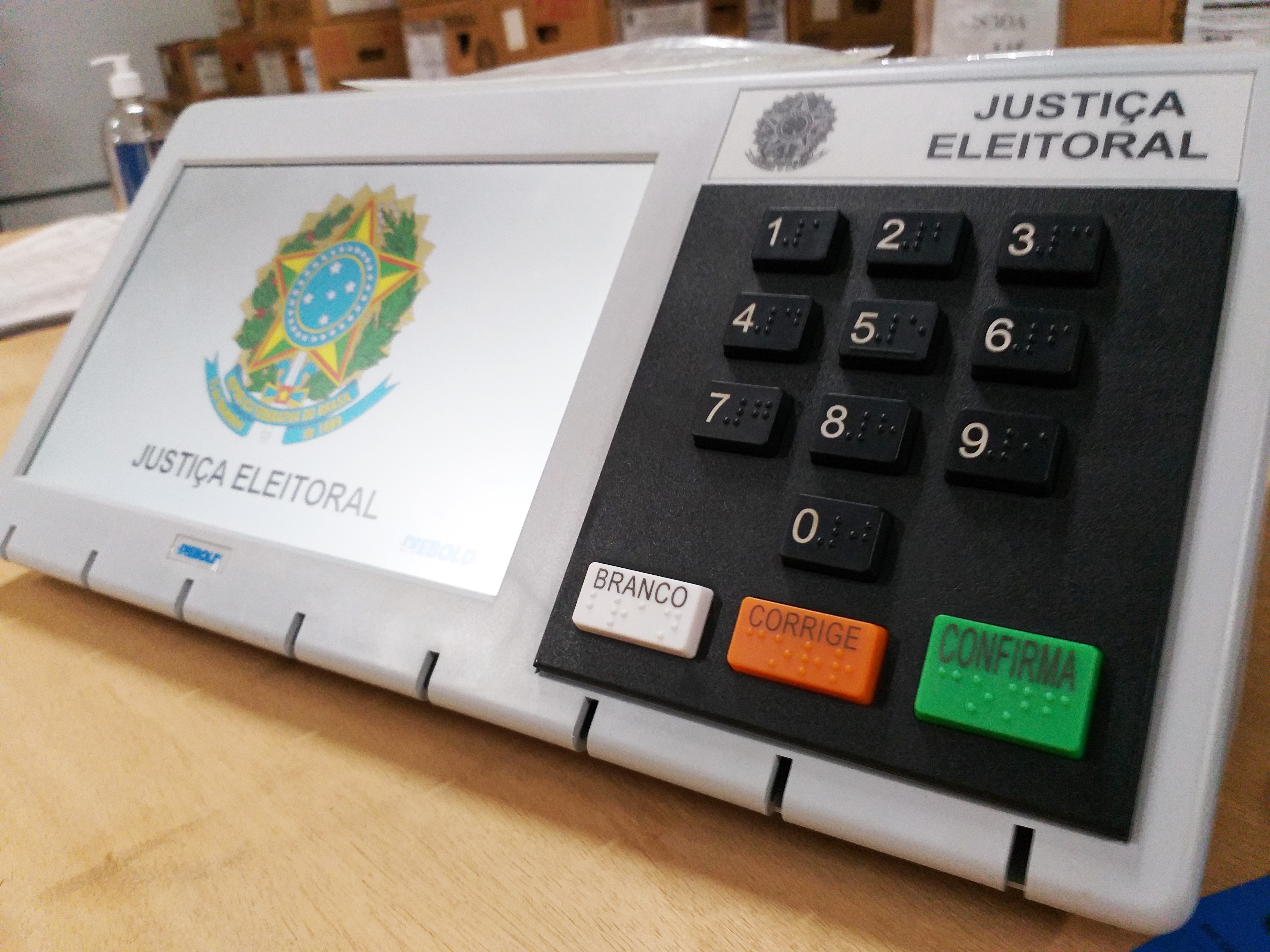
Divinópolis is set to host its largest elections ever in 2026, with 171,365 registered voters, more than double the number from the late 1980s. This significant increase in the electorate has grown at a faster rate than the municipality's overall population, according to data from the Superior Electoral Court (TSE) and the Brazilian Institute of Geography and Statistics (IBGE). In 1989, Divinópolis had 88,515 voters representing 55.3% of its 159,913 residents. By 2026, voters will constitute 70.3% of the estimated 243,583 inhabitants, meaning nearly seven out of ten residents are eligible to vote. The electorate has expanded by 93.6%, nearly doubling, while the population grew by 52.3% during the same period. Sociologist and political scientist Alecilda Oliveira attributes this growth to improved access to electoral registration through campaigns, outreach programs, and biometric registration, which has facilitated inclusion, particularly for previously marginalized groups. However, Oliveira cautions that formal registration does not automatically equate to active political participation. Political scientist Moacir de Freitas Júnior suggests that Divinópolis's increasing regional economic and political importance may also draw people who transfer their voter registration, contributing to the discrepancy. The changing voter profile includes an aging electorate, increased female participation, and a proportional decrease in younger voters, which may influence policy proposals and discussions on issues like income, employment, and cost of living. The electoral operation for the 2026 elections involves two electoral zones and 72 polling stations, with the Martin Cyprien State School serving as the largest, accommodating 5,109 voters.
The significant divergence between Divinópolis's electorate growth and its population increase highlights potential shifts in civic engagement and registration dynamics. While expanded access to electoral processes, such as biometric registration, can foster greater formal inclusion, it is crucial to distinguish between registered voters and active, informed participation. The concentration of voters in specific polling stations suggests logistical considerations for election administration. Future analysis should explore whether this growth reflects genuine demographic shifts, increased political awareness, or administrative factors, and its implications for electoral representation and policy responsiveness in the coming decade.
AI-generated to prompt reflection — not editorial opinion, not advice, not a statement of fact. How this works.
