Divinópolis Health Centers Face Closures Due to Doctor Strike Over Pension Law
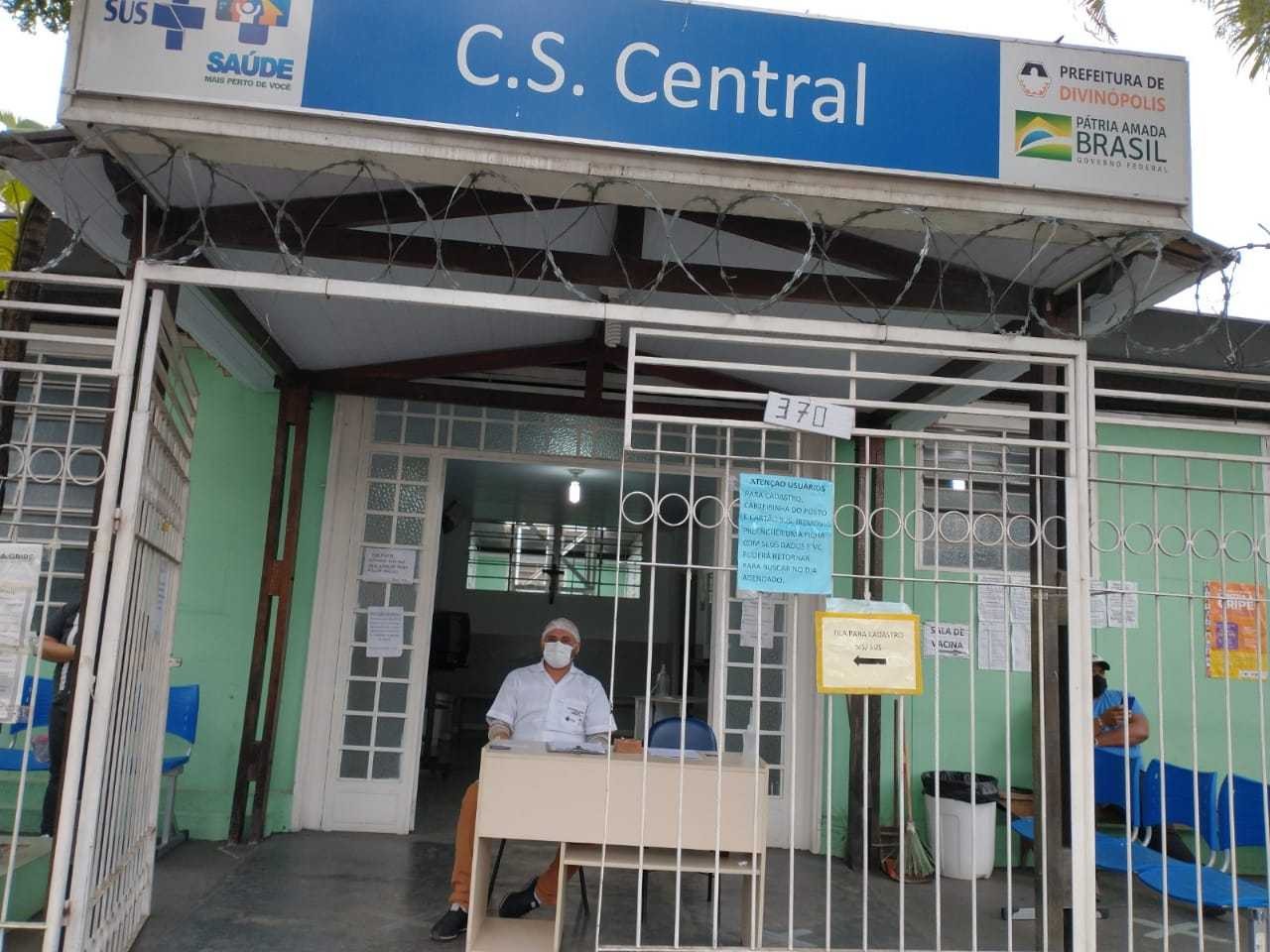
Fifteen out of Divinópolis's 47 health centers suspended medical consultations on Monday, February 13th, due to a strike by municipal doctors. The doctors are protesting a new law that alters the pension statute for municipal employees. While medical appointments were canceled, the health units continue to offer nursing services, vaccinations, wound care, medication administration, and support from multidisciplinary teams. The 24-hour strike saw participation from 26 out of 181 doctors serving the municipality. The affected facilities include various Basic Health Units and Family Health Strategy units across several neighborhoods, as well as the Polyclinic. The Municipal Health Secretariat is monitoring the situation to mitigate impacts on users of the Unified Health System (SUS). The pension law changes, managed by Diviprev, align municipal rules with the 2019 national pension reform. Key adjustments include increased minimum retirement ages, revised benefit calculation methods, new transition rules for current public servants, and modifications to contribution rates. The reform also introduces a "points system" based on age and contribution time, a "toll" system requiring extra work time for retirement, and alters how survivor pensions are calculated, potentially reducing benefits for families. Previously, pensions were paid at 100% of the deceased's benefit, but the new system uses a quota-based model, starting at 60% for one dependent.
This strike highlights the tension between municipal fiscal reforms and public service continuity. The pension law changes, intended to align with national reforms and ensure long-term financial sustainability, are perceived by medical professionals as detrimental to their retirement security. The temporary cessation of medical consultations, while impacting patient access, underscores the doctors' leverage and their commitment to advocating for their interests. Future policy discussions could explore phased implementation of reforms, enhanced communication strategies to address employee concerns proactively, and alternative mechanisms for ensuring adequate healthcare provision during labor disputes. The situation also points to a broader challenge in public sector governance: balancing the need for fiscal responsibility with the imperative to retain and motivate essential service providers.
AI-generated to prompt reflection — not editorial opinion, not advice, not a statement of fact. How this works.