Divinópolis Mayor Sanctions Law Altering Municipal Pension Statute Amidst Server Strike
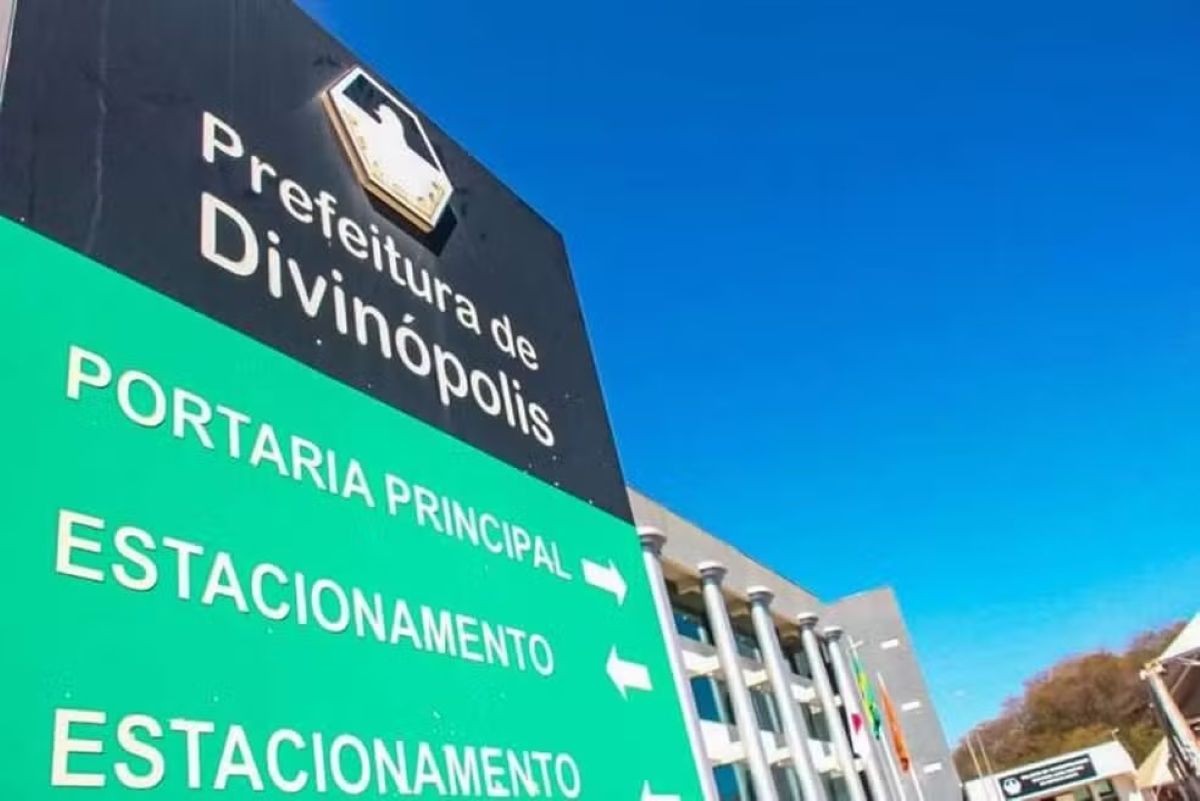
The Mayor of Divinópolis has officially sanctioned a new law that modifies the statute of the Divinópolis Municipal Servants' Pension Institute (Diviprev). This legislation revises the retirement, pension, and transition rules for permanent municipal employees. According to the municipal executive, the current pension system faced a significant deficit that, if unaddressed, could jeopardize the financial stability of Divinópolis and the long-term sustainability of Diviprev.
In protest of these pension reforms, a portion of municipal employees began a strike on Friday, June 6th. The Prefecture has initiated legal action to declare the strike illegal, demanding the immediate return of all servers to their public duties. The city is threatening salary deductions and daily fines against the involved unions and their presidents if the strike continues. The municipal chamber approved the complementary bill to restructure the municipal public servants' pension system on Tuesday, June 7th, with 11 votes in favor and five against. The executive had previously submitted a modified version of the project, incorporating suggestions from council members and server representatives, including more favorable transition rules for those nearing retirement and adjustments to benefit permanence. However, union lawyers argue that only technical adjustments were accepted, and the core issues impacting servers' rights were not addressed, indicating a lack of effective dialogue.
The legislative action in Divinópolis to reform the municipal pension system, enacted despite an ongoing server strike, highlights a common tension between fiscal sustainability and public sector employee benefits. The executive's justification centers on preventing future financial deficits, a rational concern for municipal governance. However, the servers' strike and their legal representatives' claims suggest a perceived disconnect between the administration's stated fiscal needs and the impact of the reforms on employees' rights and future security. This situation underscores the challenge of balancing long-term financial prudence with the immediate welfare and trust of the workforce. Future pension reforms, particularly in an era of evolving labor dynamics and economic uncertainty, will likely require more robust stakeholder engagement to ensure both fiscal responsibility and equitable outcomes, fostering greater consensus and mitigating disruptive labor actions.
AI-generated to prompt reflection — not editorial opinion, not advice, not a statement of fact. How this works.