Divinópolis property owners now collectively notified of repair requirements
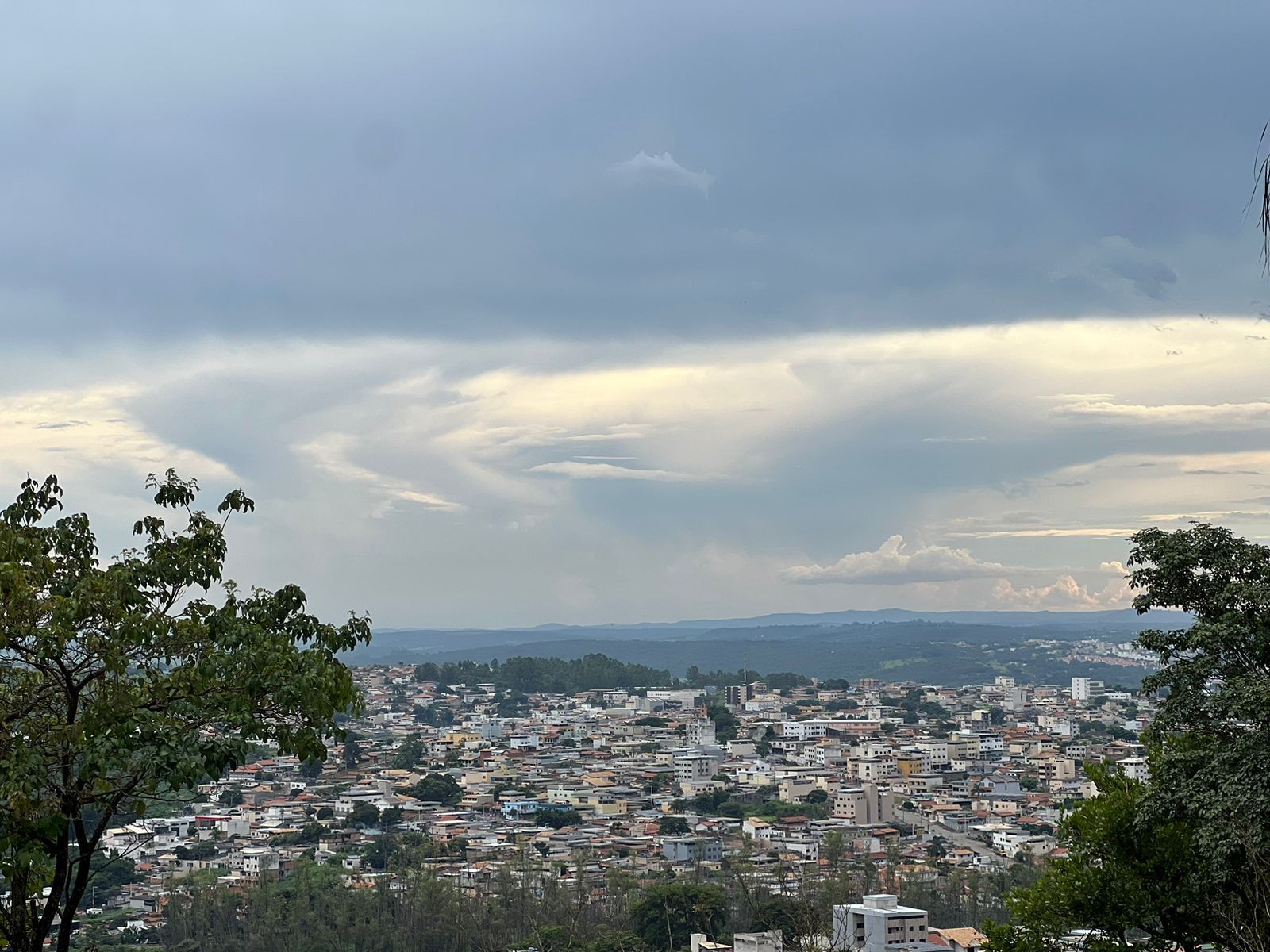
The Municipality of Divinópolis has enacted a new decree that alters how property owners are notified about required repairs and maintenance. Effective immediately, all owners of properties, lots, or glebas within the urban area are considered collectively and formally notified of their obligations. This means they must adhere to established deadlines for cleaning lots, constructing walls and sidewalks, and repairing these structures without requiring individual notifications. Previously, the municipality would individually notify owners before regularization deadlines commenced. The decree specifies a 60-day period for constructing new walls and sidewalks on properties lacking them. In cases of repeat offenses, this deadline is reduced to 30 days, and the applicable fine is doubled. For the reconstruction or repair of existing walls and sidewalks, owners have 15 days. The same 15-day timeframe applies to the cleaning and upkeep of vacant lots. Failure to comply after these deadlines may result in property owners being officially cited. Residents can report properties with overgrown vegetation, lack of cleaning, missing fences, or absent sidewalks through the Divinópolis Municipality's application. Reports require the property's address, a description of the issue, and photographic evidence. The municipality states these reports will be forwarded to inspection teams for verification, further notifications if necessary, and citations.
This new municipal decree in Divinópolis shifts the burden of awareness for property maintenance from individual notification to collective notice. By deeming all property owners collectively notified, the municipality aims to streamline enforcement and expedite compliance with urban upkeep standards, such as lot cleaning and infrastructure repair. This approach could enhance city aesthetics and public safety by reducing delays in addressing neglected properties. However, it relies on property owners actively seeking and understanding their obligations, potentially creating challenges for those less engaged or aware of municipal regulations. The effectiveness will depend on clear public communication of the decree's details and accessible channels for citizens to report non-compliance, balancing administrative efficiency with equitable enforcement.
AI-generated to prompt reflection — not editorial opinion, not advice, not a statement of fact. How this works.