Divinópolis Public Services Disrupted by Pension Reform Strike
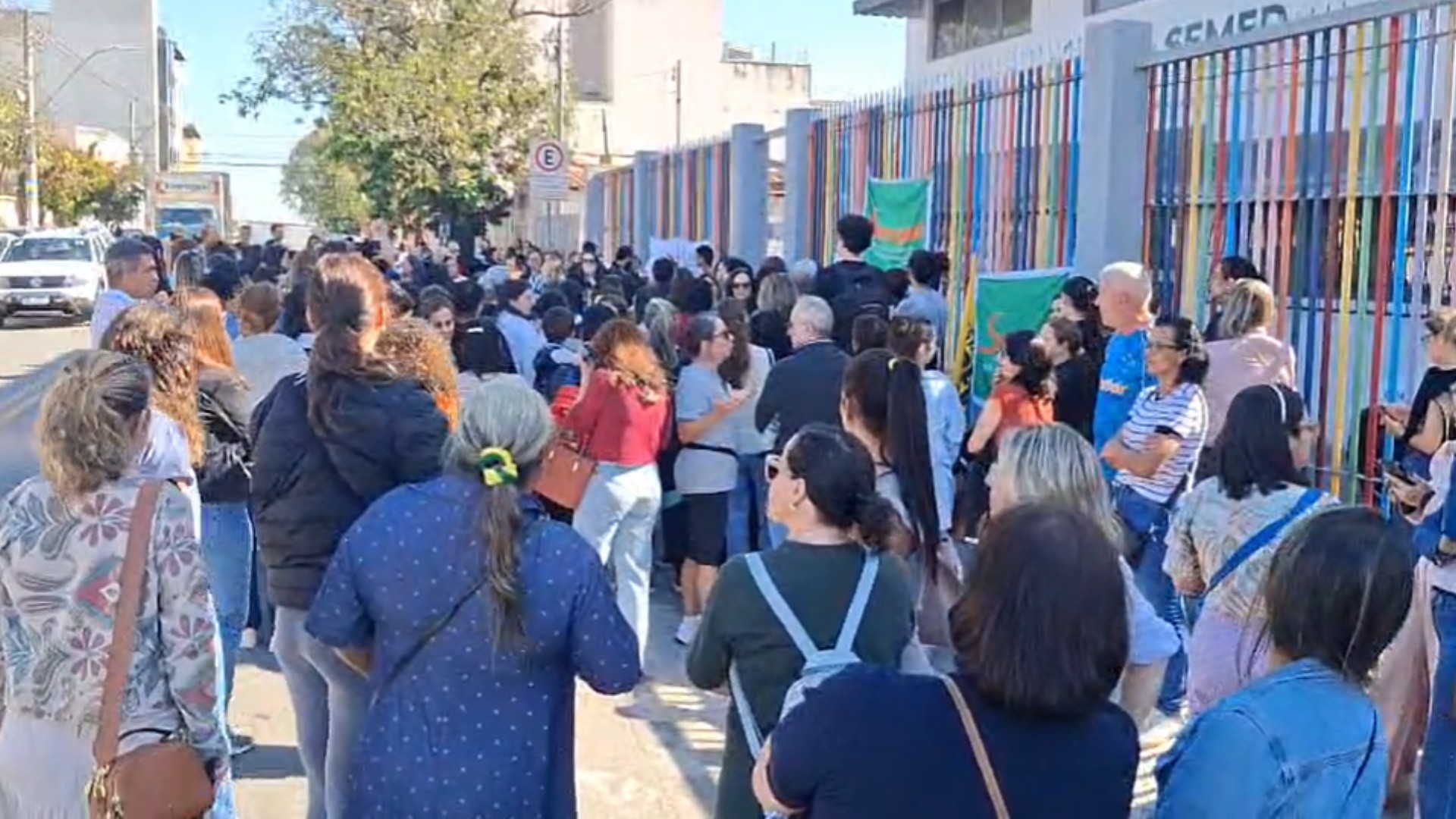
A strike by municipal servers has led to the closure of eight health posts and at least 48 municipal schools in Divinópolis, Brazil, starting Monday, the 6th. The protest targets proposed changes to the municipal pension system, including adjustments to retirement age and contribution rates. The municipal government stated it is monitoring the situation and assured that essential services like the Bereavement Service, Mental Health Reference (Sersam), and Central Pharmacy remain operational, along with administrative sectors of municipal secretariats. The Municipal Secretariat of Education (Semed) saw the highest participation in the strike, though not all servers joined, with some schools maintaining normal operations and administrative staff continuing their duties. In the health sector, approximately 170 out of 830 employees joined the strike, impacting health units in several neighborhoods, including Dom Cristiano and Afonso Pena. The Municipal Health Secretariat advised residents needing urgent care to go to the UPA Padre Roberto. The administration acknowledged potential disruptions and pledged to issue official updates. The proposed pension reform includes an increased minimum retirement age, changes to retiree contributions (phased in and protecting lower salaries), while active servers' contributions remain at 14%. The city faces significant financial challenges with its pension fund, Diviprev, stemming from reduced employer contributions since 2007 and increased life expectancy, projecting a deficit exceeding R$ 2.5 billion and future obligations up to R$ 3.8 billion. The administration argues the reform is crucial to address these financial issues and correct unsustainable contribution percentages.
The strike in Divinópolis highlights a common tension between municipal fiscal sustainability and public sector employee benefits. The proposed pension reforms, aimed at addressing a projected R$ 2.5 billion deficit, reflect a broader challenge faced by many Brazilian municipalities grappling with demographic shifts and historical financial management. While the government frames the changes as necessary for solvency, the server's protest underscores the impact on their retirement security. Future municipal governance models may need to incorporate more transparent and participatory approaches to pension reform, balancing long-term financial health with the immediate welfare of public servants to foster greater consensus and mitigate service disruptions.
AI-generated to prompt reflection — not editorial opinion, not advice, not a statement of fact. How this works.