Divinópolis Resident Wins Mega-Sena Lottery Jackpot of R$ 43 Million
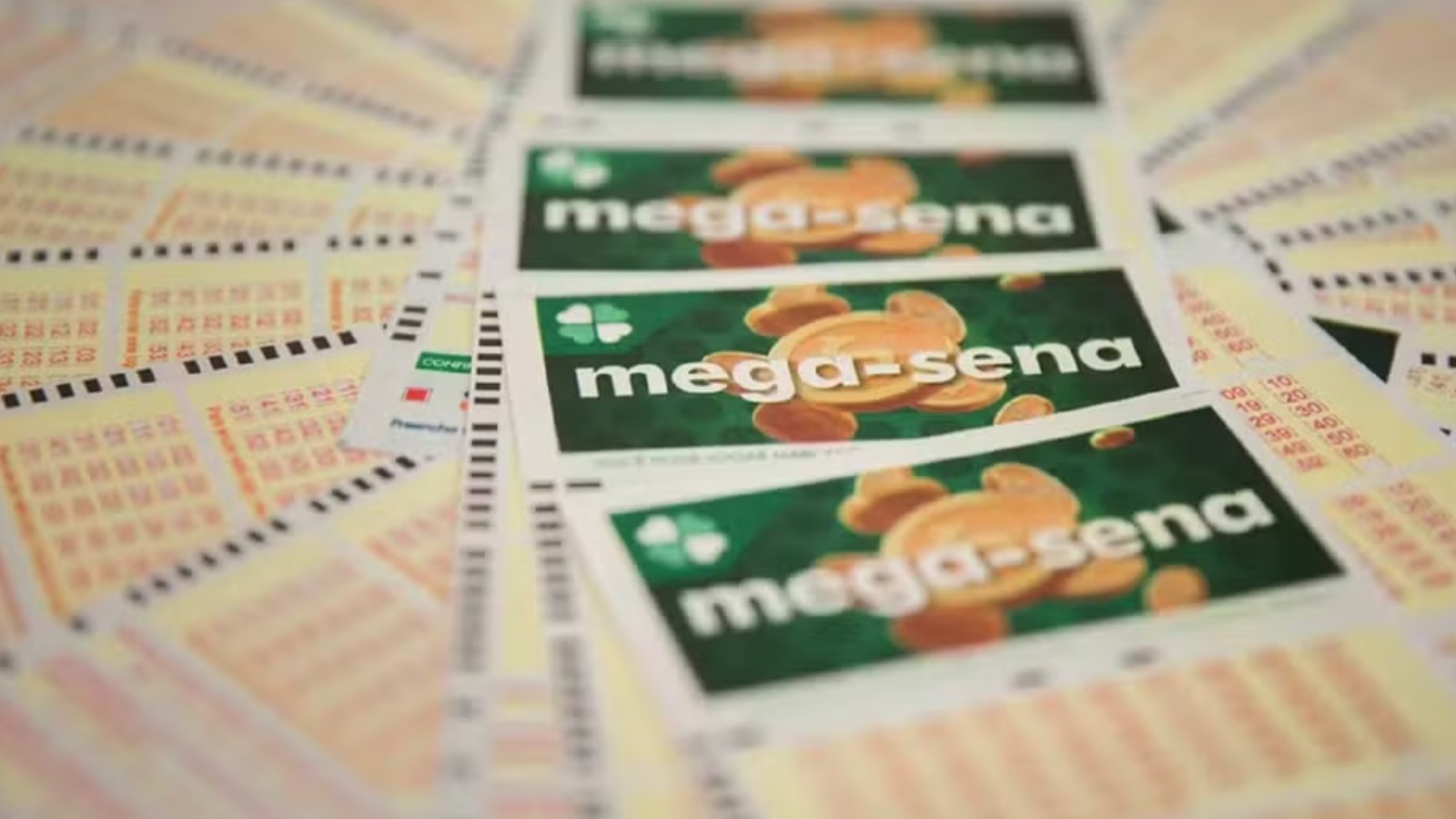
A single lottery ticket purchased in Divinópolis, Minas Gerais, has won the R$ 43 million Mega-Sena jackpot, sparking widespread curiosity and conversation throughout the city. The winning numbers drawn on Thursday, May 9th, were 01, 11, 24, 33, 35, and 59. While the identity of the winner remains unknown, residents have been discussing their dreams and plans should they have won such a substantial prize. Esthetician Maria Clara Silva expressed a desire to pay off debts and buy a home, while mechanic Altair Pereira, aged 59 and working since 13, hoped for a comfortable retirement. Online comments ranged from wishing the winner discretion to avoid envy, to humorous remarks about moving abroad. The winning ticket was sold at the 'O Paraíso da Sorte' lottery agency located on Avenida Primeiro de Junho in Divinópolis's city center. The Caixa Econômica Federal, which oversees the lottery, also reported that 39 tickets won prizes for matching five numbers (quina), earning R$ 45,642.92 each, and 3,261 tickets won for matching four numbers (quadra), receiving R$ 899.78 each. The minimum bet for Mega-Sena costs R$ 6 and can be placed online or at lottery agencies. The lottery holds three draws weekly: Tuesdays, Thursdays, and Saturdays. The probability of winning the main prize with a simple six-number bet is approximately 1 in 50 million.
This event highlights the pervasive human fascination with sudden wealth and the lottery's role as a societal lottery of opportunity. The significant jackpot amount fuels speculation and aspirational thinking, reflecting underlying economic anxieties and desires for financial security. The anonymity sought by some winners points to the complex social dynamics surrounding extreme wealth, including potential envy and privacy concerns. From a systemic perspective, lotteries represent a form of regressive taxation, disproportionately impacting lower-income individuals who may perceive them as a viable path to upward mobility, despite the extremely low odds. Future technological advancements, particularly in AI-driven financial planning and wealth management, could offer more predictable and accessible avenues for financial security, potentially shifting societal engagement with such high-stakes, low-probability games of chance.
AI-generated to prompt reflection — not editorial opinion, not advice, not a statement of fact. How this works.