DIY Energy Tracker Hacked for Open-Source Smart Home Integration
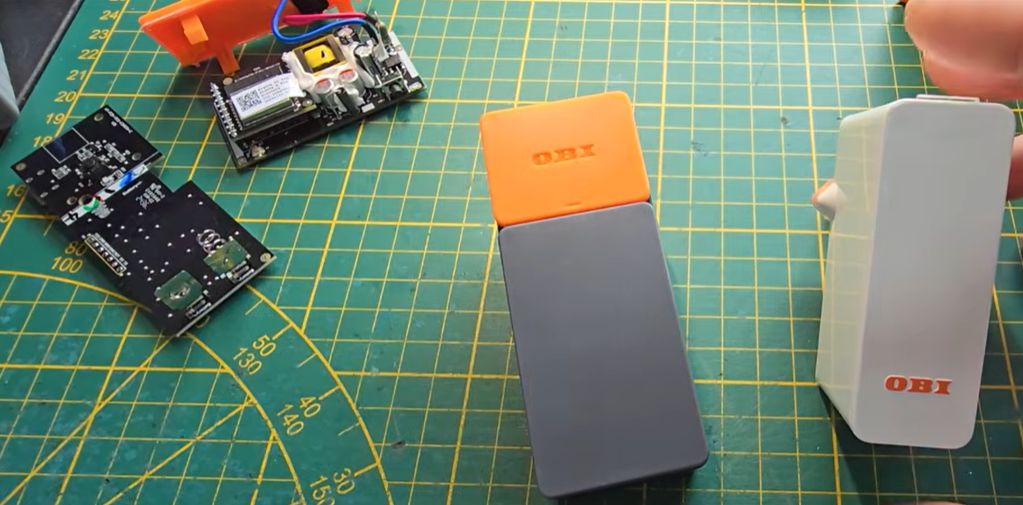
A German DIY store, OBI, sells a smart energy tracker for €15, consisting of two devices. One device attaches to an existing electricity meter to monitor energy consumption. A hobbyist has successfully reverse-engineered the tracker's communication protocol, enabling it to be self-hosted. This breakthrough allows users to integrate the OBI Energy Tracker into their own smart home systems, moving beyond the manufacturer's proprietary cloud services. The process involved analyzing the device's wireless communication and developing custom firmware. This makes the data accessible locally, offering greater control and privacy. The self-hosted solution avoids reliance on OBI's cloud infrastructure, which may have limitations or future changes. This development empowers users with more flexibility in managing their home energy data. It also highlights the potential for community-driven innovation with consumer electronics.
The reverse engineering of the OBI Energy Tracker demonstrates a growing trend of consumer demand for data ownership and local control over smart home devices. While manufacturers often rely on proprietary cloud services for data management and potential future revenue streams, users are increasingly seeking open-source alternatives that offer greater privacy and integration capabilities. This event underscores the tension between closed commercial ecosystems and the open-source community's drive for interoperability. Future product development in the smart home sector may need to consider more flexible architectures that accommodate both cloud-based services and local, user-controlled data access to remain competitive and meet evolving consumer expectations.
AI-generated to prompt reflection — not editorial opinion, not advice, not a statement of fact. How this works.