DIY Enthusiast Builds Functional X-Ray Machine From Old TV Vacuum Tube
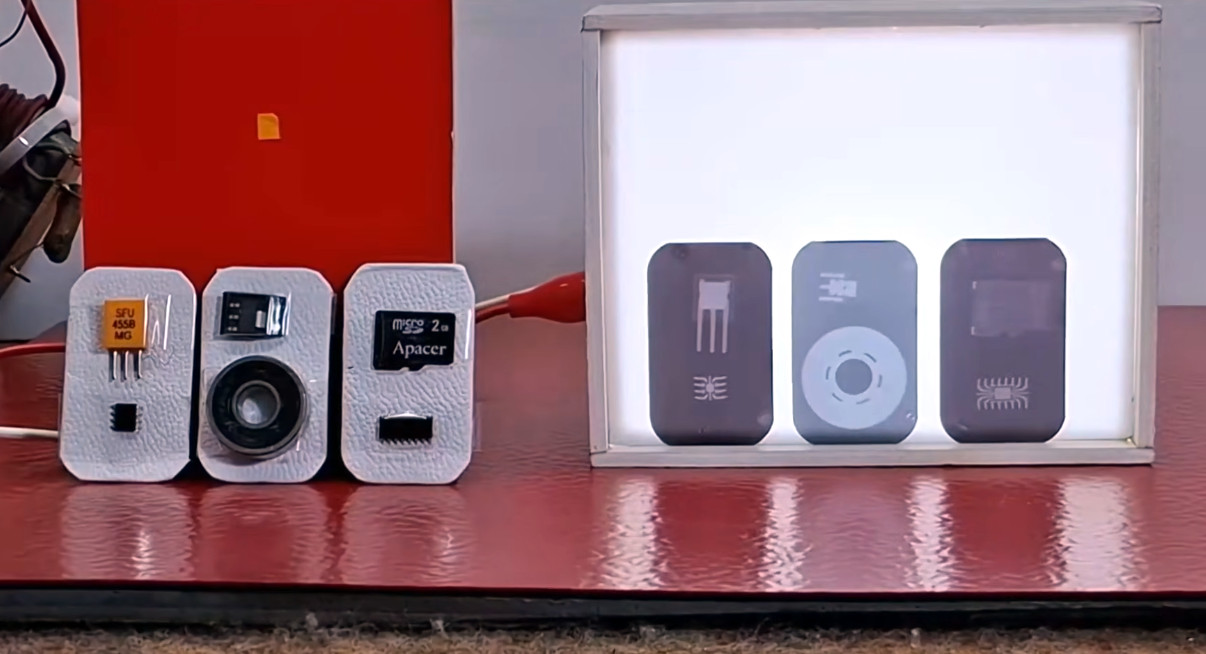
A DIY enthusiast, known online as mircemk, has successfully constructed a functional X-ray machine using components from an old television vacuum tube. The project demonstrates the potential for repurposing electronic waste into advanced scientific equipment. Mircemk has documented the process, including explanations of how the machine operates and crucial safety guidelines for its use. While acknowledging that building such a device is generally inadvisable for the public, the creator has provided detailed information for educational purposes. The project highlights the ingenuity involved in reverse-engineering and assembling complex systems from readily available or discarded parts. It serves as a testament to the maker community's ability to innovate and explore the boundaries of accessible technology. The safe operation of the device is emphasized, given the inherent dangers associated with X-ray radiation. Further details on the construction and functionality are available through mircemk's documentation.
This project showcases the remarkable potential for innovation within the maker community, demonstrating how readily available or discarded components can be repurposed for complex applications. While the creation of a DIY X-ray machine raises significant safety and regulatory concerns, it also prompts reflection on the accessibility of advanced technology. The underlying principles of radiation generation and detection, when explored in a controlled and educational context, can foster a deeper understanding of physics and engineering. Future considerations might involve exploring safer, more contained methods for educational demonstrations of X-ray principles, potentially through simulation or low-power, non-ionizing radiation technologies. This highlights a broader societal tension between democratizing technology and ensuring public safety and responsible innovation.
AI-generated to prompt reflection — not editorial opinion, not advice, not a statement of fact. How this works.