DIY Game Boy Retro Console Features E-Ink Display and ESP32 Chip
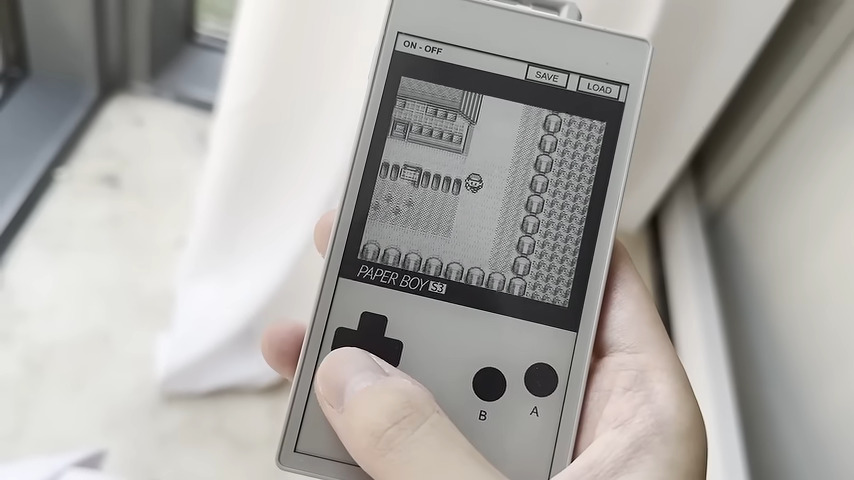
A hobbyist has created a functional Game Boy-style retro gaming console powered by an ESP32 microcontroller and an E-Ink display. This project showcases the capabilities of modern development boards for ambitious DIY electronics projects. The use of an E-Ink screen offers a unique, low-power alternative to traditional LCDs, reminiscent of the original Game Boy's monochrome display but with enhanced readability. The ESP32 chip provides the necessary processing power and connectivity for running game emulators. This build highlights the accessibility of components and the ingenuity of the maker community in reviving classic gaming experiences with contemporary technology. The project is a testament to the fusion of retro aesthetics and modern hardware capabilities.
This project exemplifies the democratization of hardware development, allowing individuals to recreate and innovate upon classic consumer electronics. The integration of an E-Ink display with an ESP32 chip highlights a growing trend towards energy-efficient and specialized computing platforms for niche applications. Such DIY endeavors not only foster technical skill but also challenge established market paradigms by demonstrating alternative approaches to user interface and power consumption. The long-term implications may involve increased demand for low-power, customizable electronic devices across various sectors, pushing manufacturers to explore similar integrated solutions.
AI-generated to prompt reflection — not editorial opinion, not advice, not a statement of fact. How this works.