DIY Repair of a Damaged RED Komodo Cinema Camera
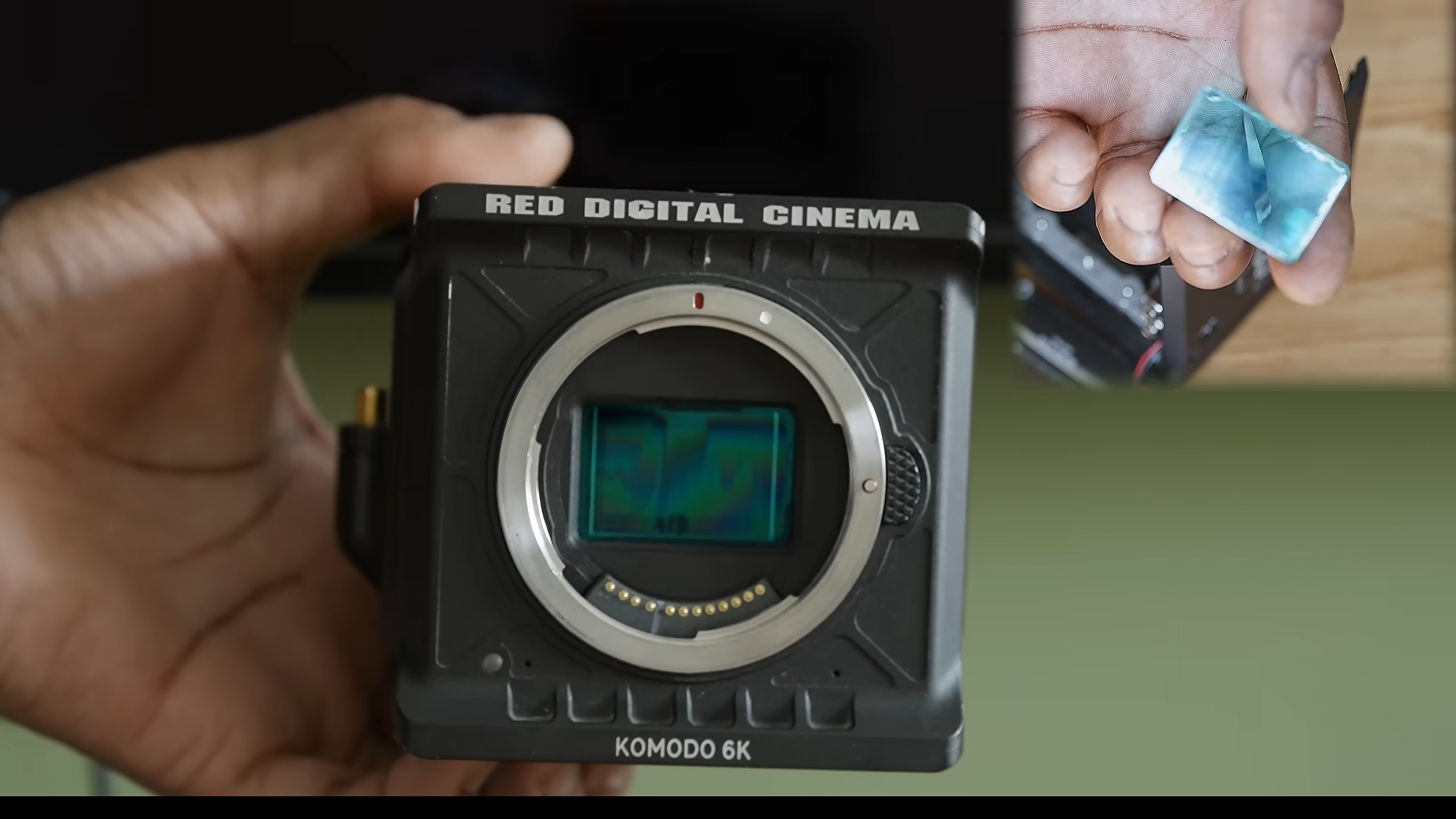
A company called ALT CINE recently acquired a damaged RED Komodo camera through an online purchase, taking a calculated risk on its repair. The RED Komodo is a 6K-capable cinema camera that typically commands a price of several thousand pounds, dollars, or euros when in functional condition. The specific details of the damage incurred by the camera were not provided in the initial report. ALT CINE's decision to buy the camera in a non-working state suggests a belief in their ability to restore it to operational status. This endeavor highlights the potential cost savings associated with repairing high-value equipment versus purchasing new. The success of this repair will likely depend on the availability of affordable replacement parts and the technical expertise of the repair team. Further information on the repair process and the final cost would be necessary to fully assess the financial viability of this undertaking.
This situation presents an interesting case study in asset management and repair economics within the high-end cinema equipment market. ALT CINE's acquisition of a damaged RED Komodo camera, a device valued in the thousands, suggests a strategic approach to cost reduction and potential profit generation through refurbishment. The viability of such a strategy hinges on a thorough assessment of repair costs versus the market value of a functional unit. Factors such as the availability and cost of specialized components, the complexity of the internal systems, and the labor involved in the repair are critical variables. This approach, if successful, could indicate a growing trend of 'right to repair' initiatives impacting specialized industries, potentially democratizing access to professional filmmaking tools by lowering the barrier to entry for those willing to undertake repairs. The long-term implications may involve manufacturers re-evaluating their service and parts policies in response to such market dynamics.
AI-generated to prompt reflection — not editorial opinion, not advice, not a statement of fact. How this works.