DJ Nonô: 40 Years Keeping Juiz de Fora's Funk Dance Tradition Alive
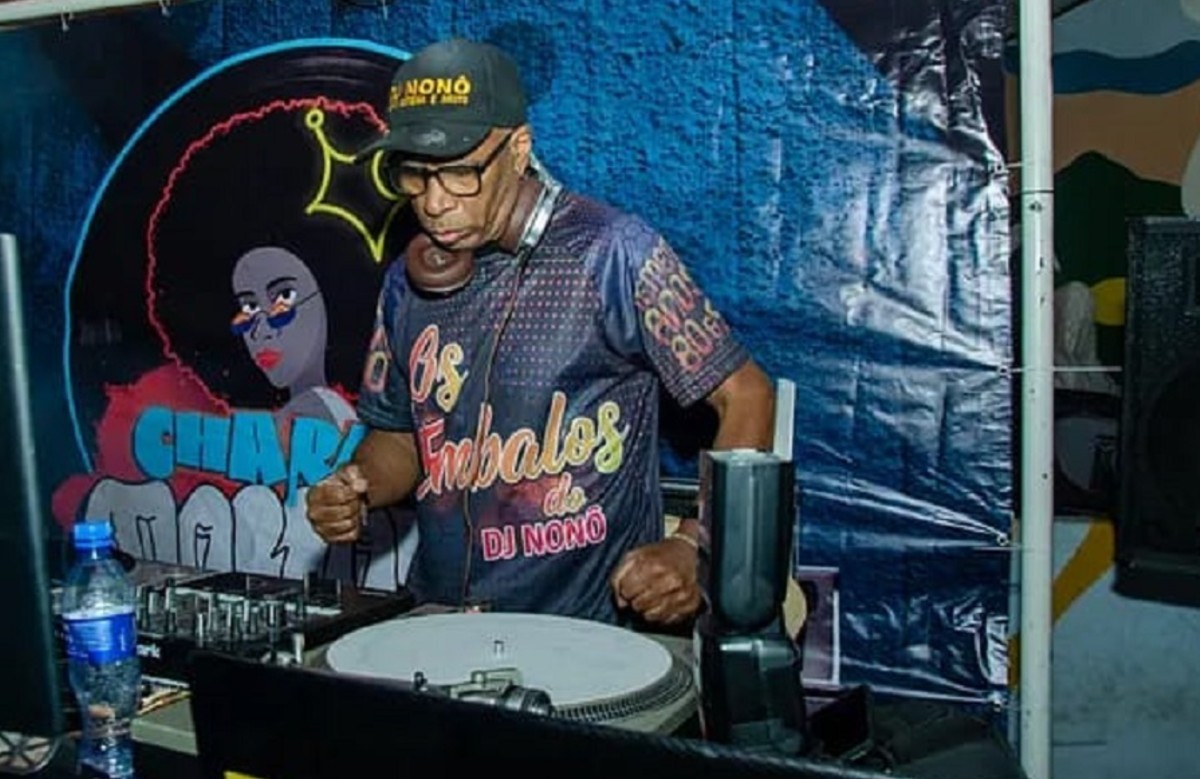
DJ Nonô has been a pivotal figure in Juiz de Fora's funk dance scene for over four decades, actively contributing to the genre's history in the city. He was present at the earliest funk dances and has become a prominent local artist, witnessing funk's establishment as a significant element of urban culture. Originating in Brazilian favelas in the 1970s, influenced by soul and disco, funk serves as an expression of the experiences, resistance, and challenges faced by marginalized youth. DJ Nonô's journey mirrors this trajectory in Juiz de Fora. His involvement with the dance scene began in his youth, assisting sound crews before eventually taking over the turntables. In the 1990s, DJ Nonô co-founded 'O Funk em Juiz de Fora,' a project that released five albums, helped launch local artists, and organized tours across Brazil. He notes that the dances of that era attracted diverse audiences, reflecting the city's musical shifts, with early funk blending soul influences from artists like James Brown and merging different social groups. Beyond his DJing, Nonô co-created a community radio station focused on peripheral culture and hip-hop, alongside his late sister, Adenilde Petrina. He acknowledges the historical prejudice against funk and its attendees, particularly Black individuals from peripheral communities, who were often unfairly targeted. Despite these challenges, spaces like Clube Olímpico continue to be vital hubs for Juiz de Fora's funk culture, uniting generations and fostering a sense of identity and belonging. Groups like Divulga Som actively work to maintain this tradition by organizing events and supporting communities, ensuring the legacy of funk continues for future generations.
DJ Nonô's four-decade dedication highlights the enduring cultural significance and community-building power of funk music in Juiz de Fora. His efforts, alongside various community groups, underscore the importance of preserving cultural heritage that originates from marginalized populations. This preservation is crucial in counteracting historical biases and ensuring that the narratives and artistic expressions of peripheral communities are recognized and celebrated. As technology evolves and urban landscapes shift, the challenge lies in maintaining the accessibility and authenticity of these cultural spaces, ensuring they remain vibrant centers of identity and belonging for new generations. The sustained engagement with funk demonstrates a powerful model for cultural resilience and the creation of social cohesion through shared artistic experience.
AI-generated to prompt reflection — not editorial opinion, not advice, not a statement of fact. How this works.