Djokovic and Sinner Withdraw from Montreal Masters Tournament
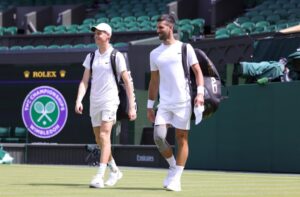
Novak Djokovic and current Wimbledon champion Jannik Sinner will not participate in this year's Montreal Masters tournament, organizers have confirmed. Their absence is a significant blow to the competition, which is scheduled to take place from August 2nd to August 13th. Tennis fans will miss the opportunity to see these two top-ranked players compete live. The withdrawal of such prominent figures raises questions about player scheduling and the overall appeal of certain tournaments, particularly when they conflict with other major events or player commitments. The organizers are likely to face challenges in maintaining spectator interest without these star athletes. This development underscores the importance of top players' participation in drawing crowds and media attention to tennis events. The absence of Djokovic and Sinner highlights the dynamic nature of professional tennis, where player availability can dramatically impact a tournament's profile. It also presents an opportunity for emerging talents to step into the spotlight and make their mark on the Masters 1000 circuit.
The withdrawal of top-ranked players like Novak Djokovic and Jannik Sinner from the Montreal Masters tournament, while a disappointment for fans, reflects the complex strategic decisions professional athletes face. Balancing demanding schedules, physical recovery, and preparation for major championships like Grand Slams is a critical aspect of managing a high-performance career. This situation highlights the inherent tension between the commercial interests of tournament organizers seeking maximum star power and the players' need for optimal physical conditioning and strategic career management. Over the next decade, as sports science advances and the global competition calendar potentially expands, managing player workload and ensuring athlete well-being will become even more paramount. Governing bodies and tournament organizers may need to explore more flexible scheduling or tiered participation structures to ensure the long-term sustainability and appeal of all events, while prioritizing the health and longevity of their most valuable assets: the athletes.
AI-generated to prompt reflection — not editorial opinion, not advice, not a statement of fact. How this works.