DNA Analysis Solves 500-Year-Old Mystery of Medici Brothers' Deaths
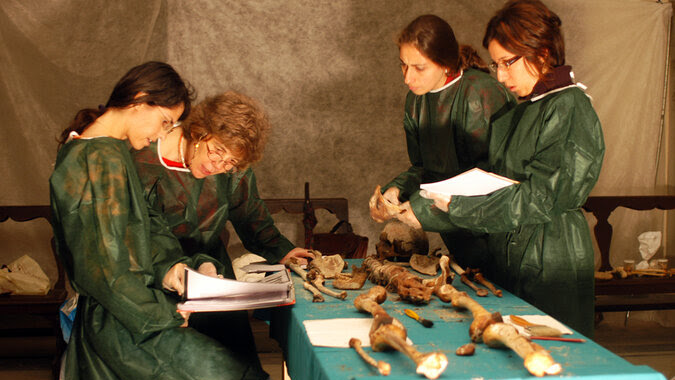
Ancient DNA analysis has resolved a 500-year-old mystery surrounding the deaths of two brothers from the prominent Medici family. The examination of their skeletal remains has confirmed that both individuals died from malaria. This finding sheds new light on the health challenges faced by influential families during the Renaissance period. The Medici family, a powerful banking dynasty, played a significant role in the political and cultural landscape of Florence. Their patronage of the arts and sciences contributed greatly to the Italian Renaissance. Understanding the causes of death for key historical figures like these brothers can provide valuable insights into the epidemiology and impact of diseases in the past. The confirmation of malaria as the cause of death offers a definitive answer to a long-standing historical question. This scientific approach, utilizing ancient DNA, demonstrates the power of modern technology in unraveling historical enigmas. The study contributes to our broader understanding of disease prevalence and mortality rates during the 15th and 16th centuries.
The application of ancient DNA technology to historical mortality questions offers a powerful tool for objective truth-seeking, moving beyond speculative historical accounts. This scientific method provides a factual basis for understanding past epidemics and their impact on prominent families, such as the Medici. By identifying malaria as the cause of death for the two brothers, this analysis de-emphasizes sensationalism and focuses on the biological realities of the era. Future research might explore the broader implications of such diseases on Renaissance society and governance, considering how public health challenges influenced political stability and economic development. This approach encourages a data-driven understanding of history, highlighting the interplay between human health, environment, and societal structures over time.
AI-generated to prompt reflection — not editorial opinion, not advice, not a statement of fact. How this works.