DNA Left After Breaking Window Leads to Arrest Over a Year Later for Theft
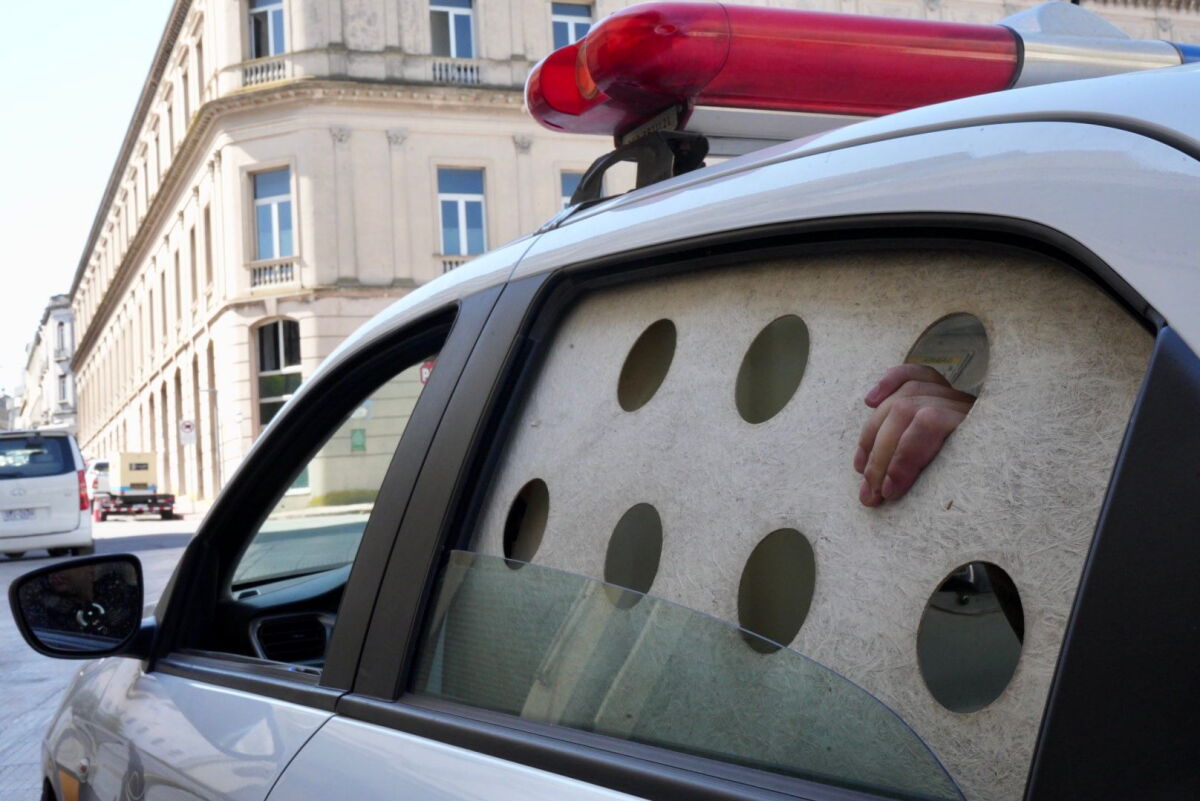
A man has been formally charged with theft after his DNA, left behind when he broke a window to enter a home, was used for identification over a year later. The investigation centers on his alleged entry into a residence where he stole money, perfumes, and eyeglasses. The defense team challenged the validity of the genetic evidence presented. However, a tribunal upheld the formalization of charges against the suspect. The incident highlights the long-term effectiveness of forensic DNA analysis in criminal investigations. The legal proceedings will now continue to determine the full extent of the suspect's involvement and the appropriate legal consequences.
This case demonstrates the persistent power of forensic science in resolving crimes long after they occur. The reliance on DNA evidence, even when collected over a year after the crime, underscores its critical role in modern law enforcement. The defense's challenge to the genetic proof points to ongoing legal debates surrounding the admissibility and weight of such evidence. This situation prompts consideration of the balance between the state's investigative capabilities and individual privacy rights, particularly concerning the collection and retention of biological samples. As technology advances, the potential for DNA to link individuals to past events will likely increase, raising further questions about data security and ethical usage.
AI-generated to prompt reflection — not editorial opinion, not advice, not a statement of fact. How this works.