DNA on Shroud of Turin Uncovers Centuries of Biological History
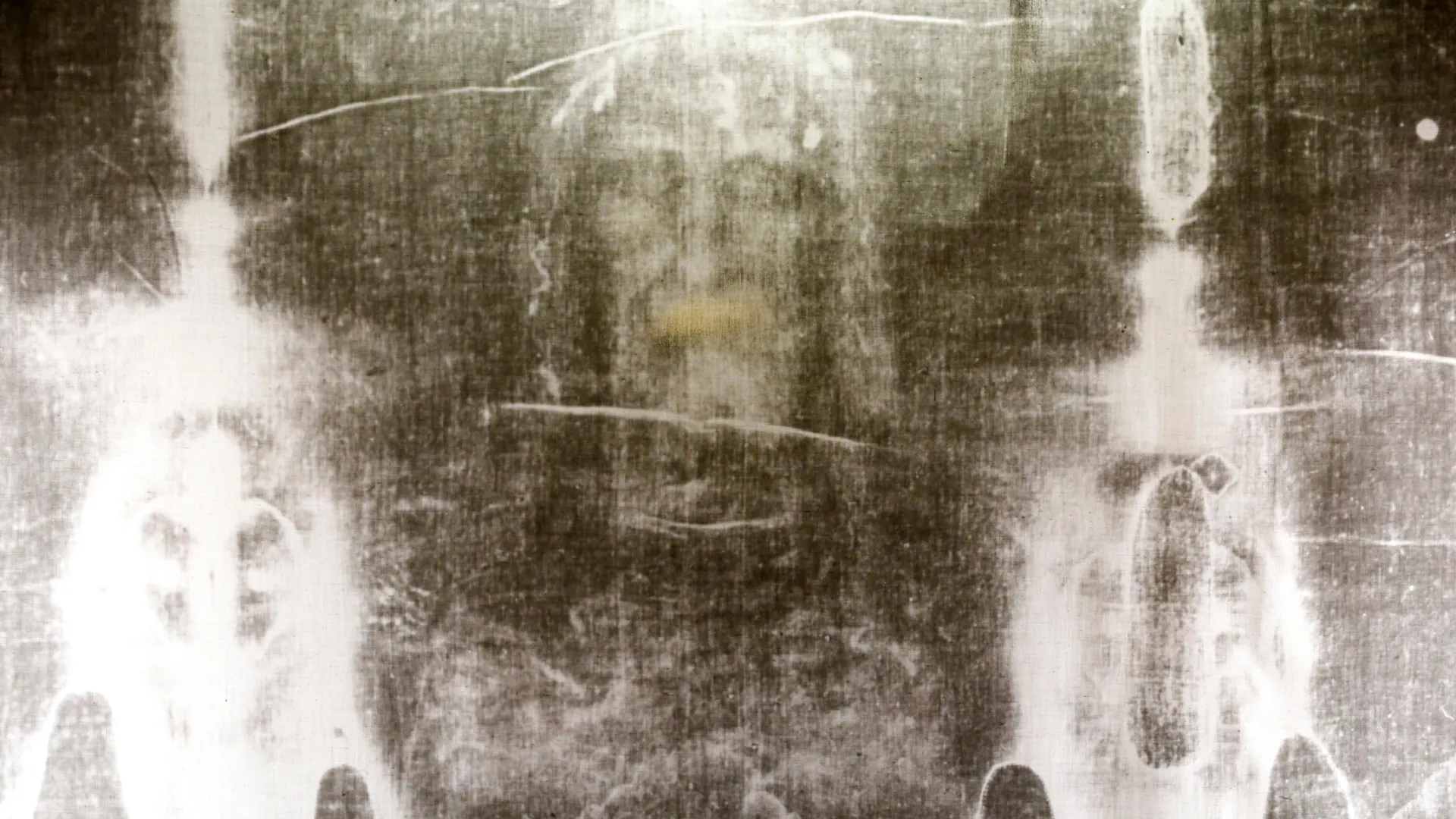
DNA analysis of the Shroud of Turin has revealed a complex tapestry of biological materials accumulated over centuries. The traces include a diverse mix of human lineages, microbial life, plant matter, animal DNA, and even coral. These findings offer a glimpse into the cloth's extensive history of handling and movement through different regions. While the study does not definitively prove the Shroud's age or authenticity, it successfully exposes a previously hidden biological narrative embedded within the fabric. The presence of various DNA types suggests interactions with numerous individuals and environments throughout its journey.
The DNA findings on the Shroud of Turin provide a unique, albeit indirect, lens through which to examine the artifact's historical trajectory. By identifying diverse biological traces, researchers can potentially map the Shroud's provenance and the human interactions it has undergone, independent of debates surrounding its origin or authenticity. This scientific approach to historical artifacts highlights the value of interdisciplinary methods in uncovering layered histories. Future research could focus on refining the dating and geographical origins of these DNA samples to further illuminate the Shroud's complex past and its role in human cultural and religious narratives across different eras.
AI-generated to prompt reflection — not editorial opinion, not advice, not a statement of fact. How this works.
