DNA Reveals 4,000-Year-Old Bronze Age 'Shaman' Near Stonehenge Was a Woman
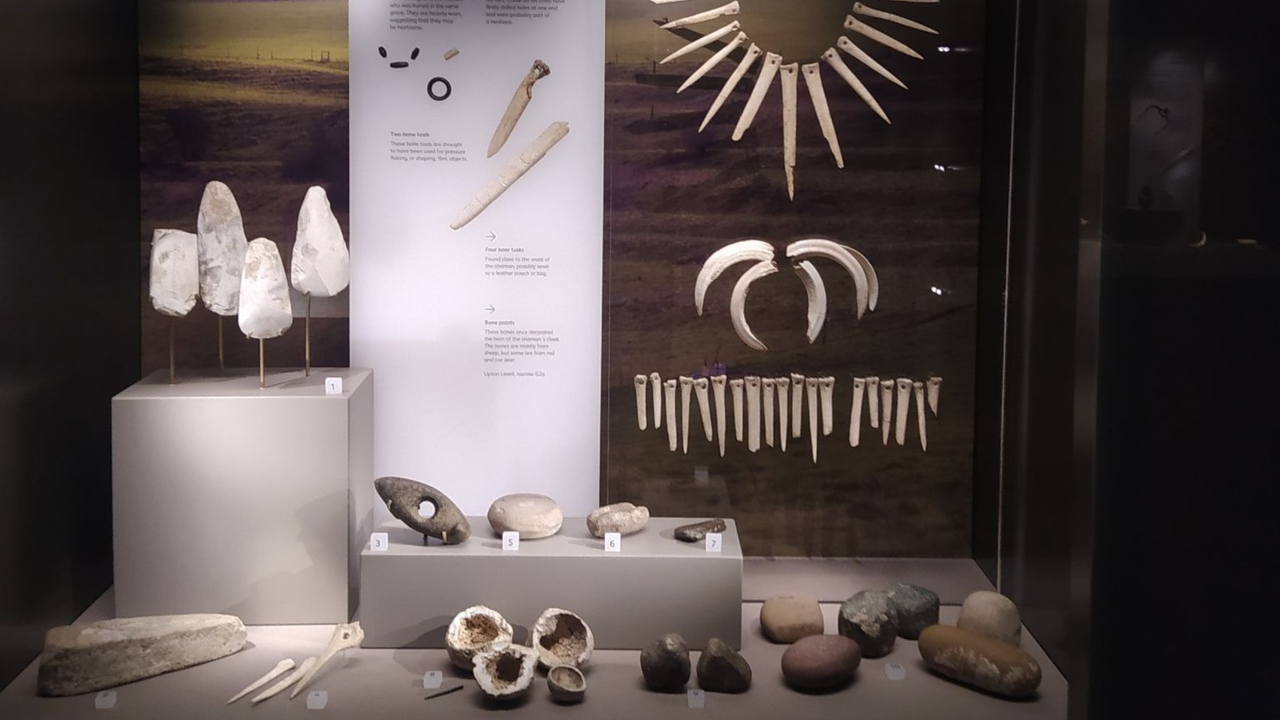
A 4,000-year-old skeleton discovered near Stonehenge, previously identified as a male shaman, has been revealed to be female through DNA analysis. The individual was buried with an extensive kit of metalworking tools, suggesting a significant role in Bronze Age society. This finding challenges long-held assumptions about gender roles and spiritual leadership in prehistoric Britain. The elaborate burial, including the specialized tools, indicates the person held a position of importance and expertise. The analysis was conducted on the skeletal remains, providing definitive biological sex identification. This discovery offers new insights into the social structures and gender dynamics of the Bronze Age. It highlights the importance of scientific re-evaluation of archaeological findings. The tools themselves are indicative of advanced craftsmanship and knowledge for the period.
This discovery underscores the dynamic nature of scientific interpretation in archaeology, demonstrating how new technologies like DNA analysis can fundamentally alter our understanding of historical gender roles. The reclassification of the Bronze Age individual from male to female challenges traditional assumptions about who held positions of spiritual and technical authority. It prompts a broader consideration of how societal structures may have accommodated diverse gender expressions and leadership roles in prehistoric societies. Examining the incentive structures that may have led to the initial assumption of male gender, and considering how future archaeological interpretations can be made more robust against such biases, is crucial for advancing objective historical scholarship.
AI-generated to prompt reflection — not editorial opinion, not advice, not a statement of fact. How this works.