DNA Traces in Water Lead Scientists to Rediscover Endangered Fish in Brazil
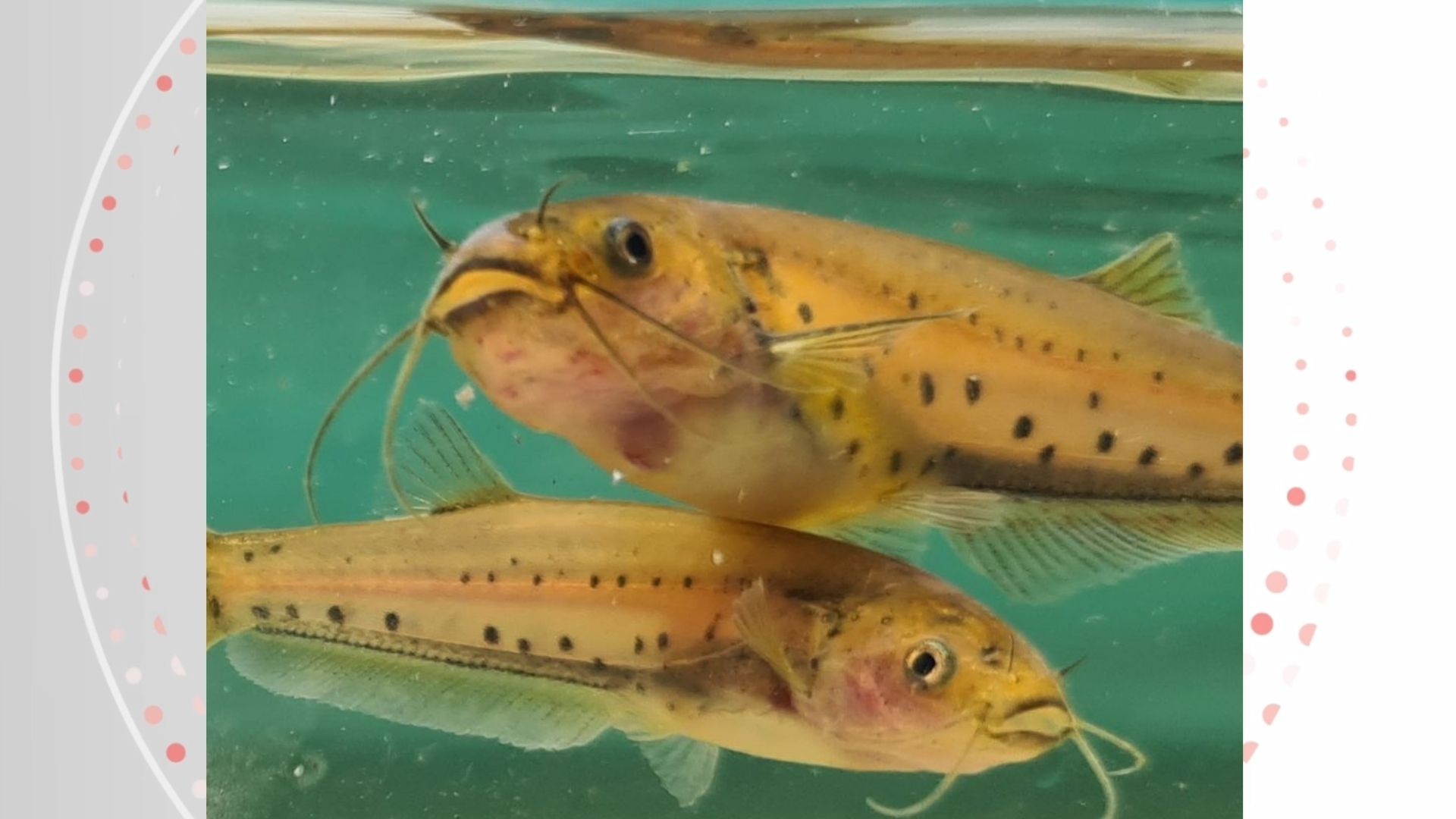
Scientists have successfully rediscovered the critically endangered bagrinho-de-kaetés, a tiny five-centimeter fish unique to Brazil's Espírito Santo state, after more than a decade without sightings. The fish was found in streams within the Rio Itapemirim basin in the southern part of the state, specifically in Vargem Alta and Castelo municipalities. This rediscovery was made possible by analyzing environmental DNA (eDNA) collected directly from the water, a technique that identifies genetic material shed by animals. Researchers collected just 180 milliliters of water at ten monitoring points and detected the fish's genetic traces without needing to capture any specimens. The findings, published in the scientific journal "Neotropical Ichthyology," are expected to enhance understanding of the bagrinho-de-kaetés' habitat and inform conservation efforts for both the species and the surrounding Atlantic Forest streams. The study involved researchers from the National Institute of the Atlantic Forest (INMA), the Federal University of Espírito Santo (Ufes), Pontifical Catholic University of Minas Gerais (PUC Minas), and the Nossos Riachos Institute. In addition to the bagrinho-de-kaetés, the eDNA analysis revealed genetic signatures of 24 other vertebrate species, including fish, birds, and mammals. This innovative method is considered more efficient and less impactful on wildlife than traditional capture methods. The bagrinho-de-kaetés, first described in 2010, is highly sensitive to environmental changes like water pollution and habitat destruction, thriving only in specific headwater areas. The research identified the fish's DNA at two sites within the Kaetés Reserve and one on private property, with estimated populations of 100-150 individuals at each known location. The proximity of these sensitive habitats to aquaculture operations, including tilapia and catfish farms, has raised concerns, although the private landowner has expressed interest in conservation. The rediscovery has also fostered community engagement, with local residents in Vila Esperança actively participating in conservation awareness, even decorating waste collection points with images of the fish.
The successful rediscovery of the bagrinho-de-kaetés using environmental DNA highlights the transformative potential of non-invasive biomonitoring technologies in conservation. This approach offers a less disruptive alternative to traditional methods, potentially reducing stress on vulnerable populations and ecosystems. The study's findings underscore the delicate balance required for species survival, particularly their sensitivity to water quality and riparian vegetation. As human development, including agriculture and aquaculture, encroaches on sensitive habitats, the need for robust, data-driven conservation strategies becomes paramount. The engagement of local communities, spurred by scientific discovery, demonstrates a promising pathway for integrating conservation goals with socio-economic realities. Looking ahead, the widespread adoption of eDNA techniques could revolutionize biodiversity assessments, providing more comprehensive and cost-effective monitoring of aquatic ecosystems and informing adaptive management plans in the face of climate change and habitat fragmentation.
AI-generated to prompt reflection — not editorial opinion, not advice, not a statement of fact. How this works.