Do Custom-Built Cabinets Attract Termites? Pest Control Expert Explains
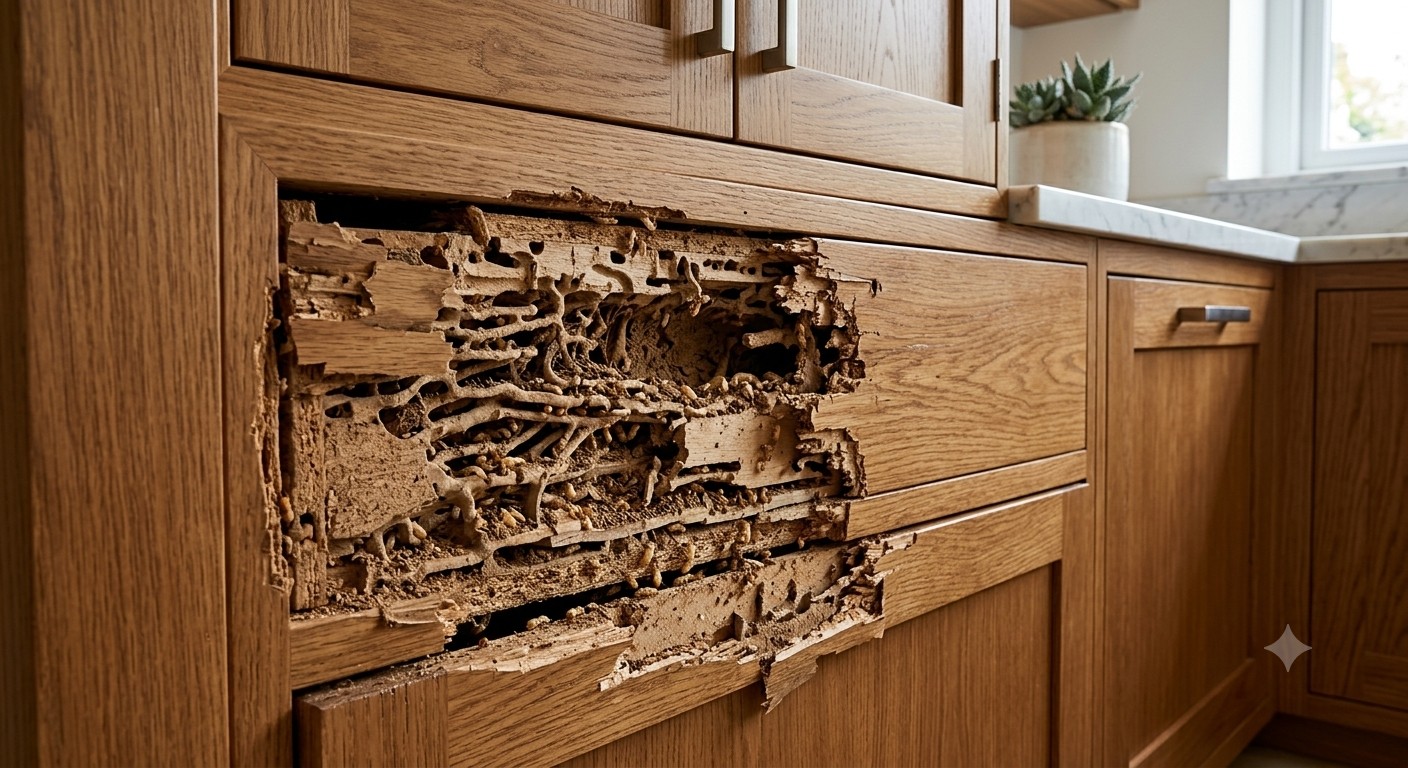
Custom-built furniture, popular for maximizing space and offering personalized finishes, can raise concerns about termite infestations. Experts clarify that these cabinets do not inherently attract termites but can become a food source and shelter if an infestation is already present nearby. The wood and its derivatives, including materials like MDF and MDP used in modern furniture, are susceptible to attack by certain termite species. Vulnerable areas often include baseboards, cabinet bottoms, doors, and trim, especially in environments with excessive moisture or proximity to existing infestations.
Termites primarily feed on cellulose, found in wood and related products, making custom kitchens, shelves, and closets prime targets when a colony is active within a residence. Termites often operate silently, attacking the interior of materials while leaving the surface seemingly intact, which can delay detection. Early signs of an infestation include small holes in furniture surfaces, sawdust-like debris, hollow-sounding wood, warped doors or drawers, discarded termite wings, and visible mud tunnels on walls or baseboards. These signs warrant professional evaluation.
Termite infestations are not limited to ground-level houses; apartments can also be affected. Termites can enter apartments through contaminated furniture, wooden structures, cardboard boxes, doors, ceilings, or even common areas within a condominium. Infestations can spread from an initial point to other parts of the building. Preventive measures to protect custom furniture include avoiding excessive humidity, conducting regular inspections, monitoring for discarded wings after swarms, keeping furniture away from walls with signs of infiltration, and performing preventive assessments in older properties. Experts emphasize that prevention is the most effective strategy, as visible damage often indicates a long-established colony.
The prevalence of custom-built furniture, while offering aesthetic and spatial benefits, inadvertently creates potential vulnerabilities for pest infestations. The materials used, derived from wood products, provide a cellulose-based food source for termites. This highlights a systemic risk where desirable consumer products can become vectors for structural damage if not managed proactively. The silent nature of termite activity means that by the time visible signs appear, significant internal damage may have already occurred, underscoring the importance of preventative monitoring and integrated pest management strategies. Future building and furniture design may need to incorporate more resilient materials or advanced detection systems to mitigate these risks in an evolving urban and residential landscape.
AI-generated to prompt reflection — not editorial opinion, not advice, not a statement of fact. How this works.