Do Food Tracking Apps Actually Improve Health?
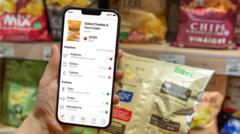
Food tracking applications have gained significant popularity, but their effectiveness in helping individuals cultivate healthier eating habits is being questioned. These apps are designed to monitor food intake, providing users with data on their dietary patterns. The core idea is that by making consumption visible, users will become more conscious of their choices and consequently make healthier decisions. However, the actual impact on long-term behavioral change and health outcomes remains a subject of ongoing discussion and research. While some users report benefits from increased awareness, others may find the process burdensome or insufficient on its own to drive sustained dietary improvements. The efficacy likely depends on individual user engagement, the app's design, and whether it's integrated into a broader wellness strategy.
The proliferation of food tracking applications reflects a broader societal trend towards data-driven self-improvement, particularly in health and wellness. These digital tools leverage user-generated data to foster awareness, a common strategy in behavioral economics for initiating change. However, the transition from awareness to sustained behavioral modification is complex and influenced by numerous factors beyond simple data logging, including psychological barriers, socioeconomic constraints, and the availability of healthy food options. The long-term success of such applications may hinge on their ability to evolve beyond basic tracking to offer personalized, actionable insights and integrate seamlessly with other health-monitoring technologies, addressing the holistic nature of well-being in the digital age.
AI-generated to prompt reflection — not editorial opinion, not advice, not a statement of fact. How this works.