Doctor Guides Bystander Through CPR via Video Call for Fan Who Died During Brazil Match
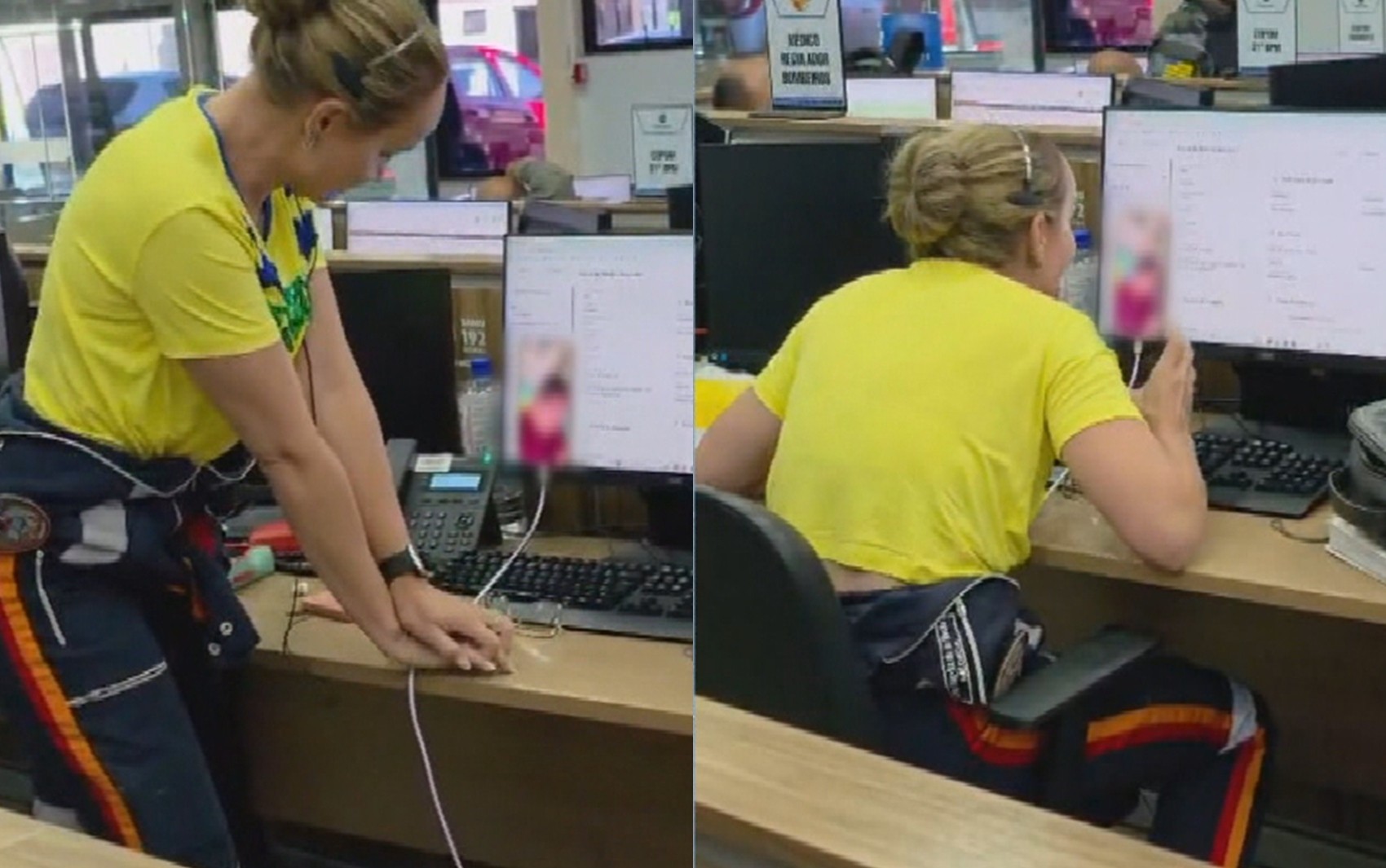
A 60-year-old Brazilian football fan tragically died after suffering four cardiac arrests during a match viewing in Goiânia on Monday, November 29th. Dr. Nágylla de la Rocha, a medical professional from the Mobile Emergency Care Service (Samu), provided remote guidance via a video call to a bystander at the scene. Initially, the incident was reported as a head injury from a fall, but Dr. de la Rocha quickly deduced it was a cardiac arrest based on the bystander's description, noting the fan had turned purple. Despite the bystander's lack of medical training, Dr. de la Rocha initiated a personal video call to instruct them on performing effective chest compressions. She explained that these compressions act as a manual pump, circulating blood and oxygen to the brain and heart, crucial for maintaining vital functions until specialized equipment like a defibrillator arrives. The Samu team arrived and worked for over an hour attempting resuscitation. The patient experienced four cardiac arrests and briefly regained a pulse four times before ultimately passing away at 3:20 PM. Dr. de la Rocha expressed that guiding the rescue felt as though she were physically present, emphasizing the importance of correct CPR techniques and the educational value of the incident for the public.
This event highlights the critical role of immediate bystander intervention in cardiac emergencies and the potential of remote medical guidance technologies. The situation underscores the systemic challenge of bridging the gap between emergency onset and professional medical arrival, particularly in public spaces. While the remote guidance provided by Dr. de la Rocha was instrumental in attempting to preserve life, the ultimate outcome points to the complex interplay of factors in resuscitation, including the severity of the event and the time to advanced care. Future considerations may involve broader public education on basic life support and exploring more integrated technological solutions for real-time, on-site medical direction, recognizing the limitations and ethical considerations of such remote assistance.
AI-generated to prompt reflection — not editorial opinion, not advice, not a statement of fact. How this works.